HUNDRED FLOWERS PROJECT
This project is about listening to meaningful stories from the past shared by people with fascinating lives and careers, and, as lace makers, creating and gifting “守導服 Shudōfuku” — garments that protect their precious memories and guide them toward a new future.
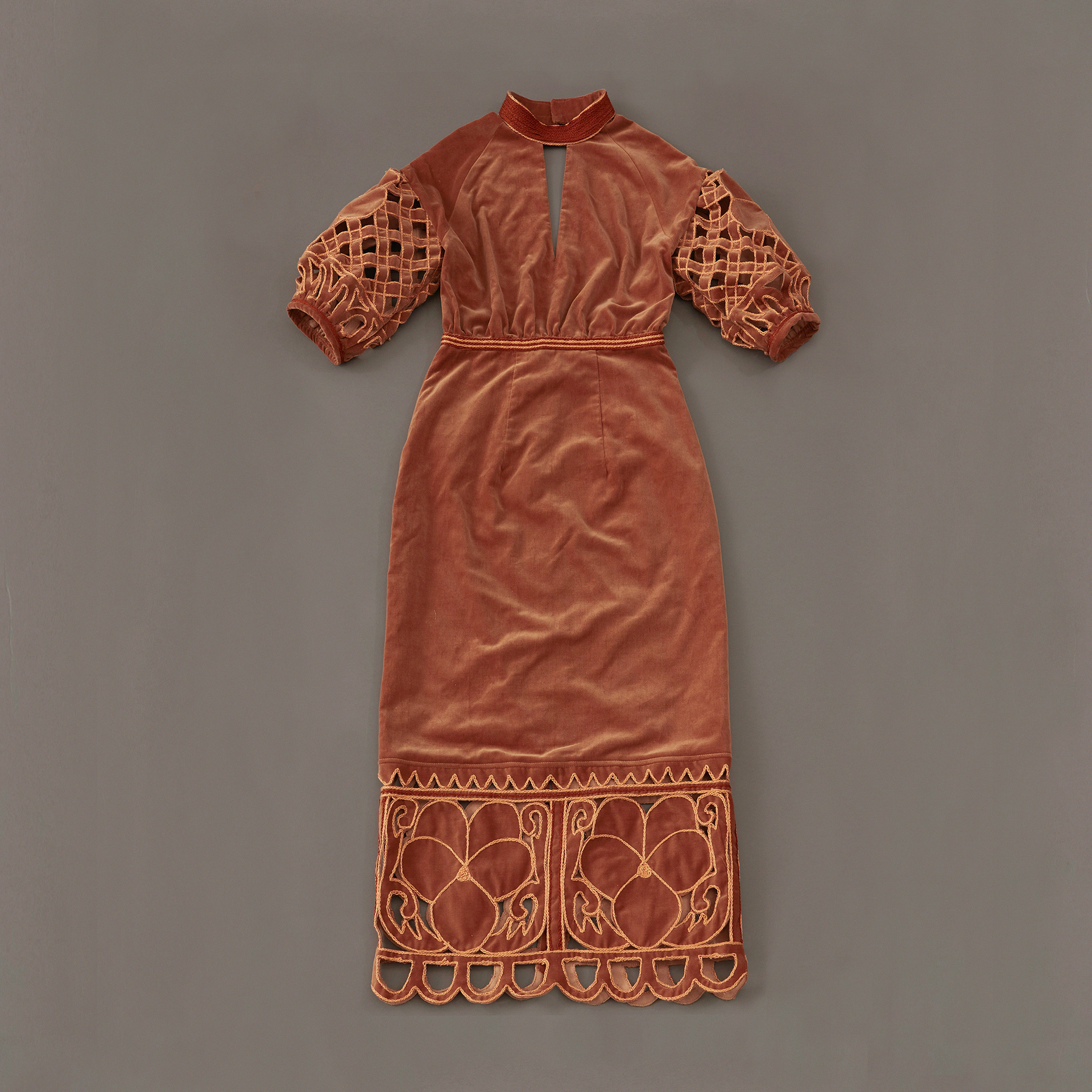
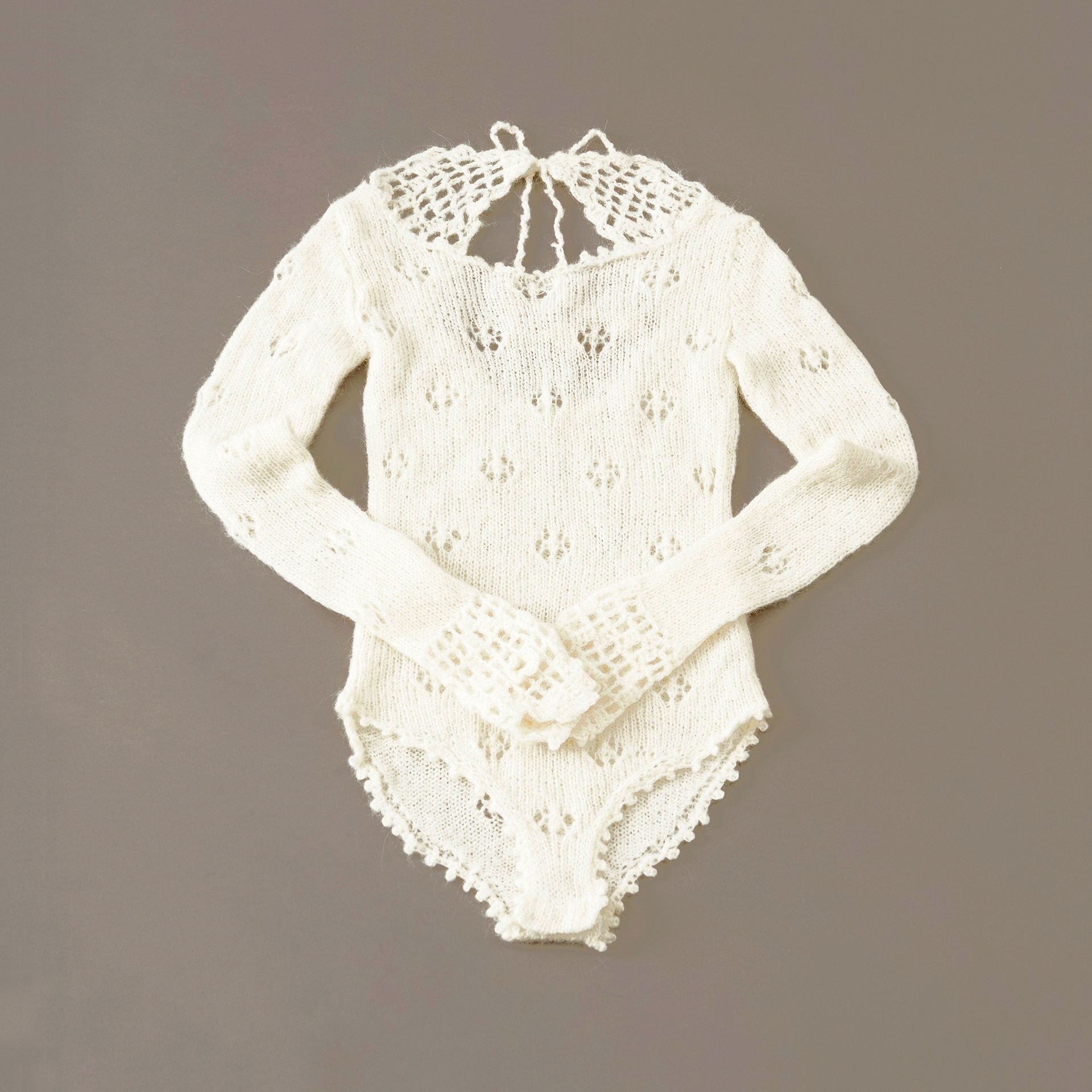
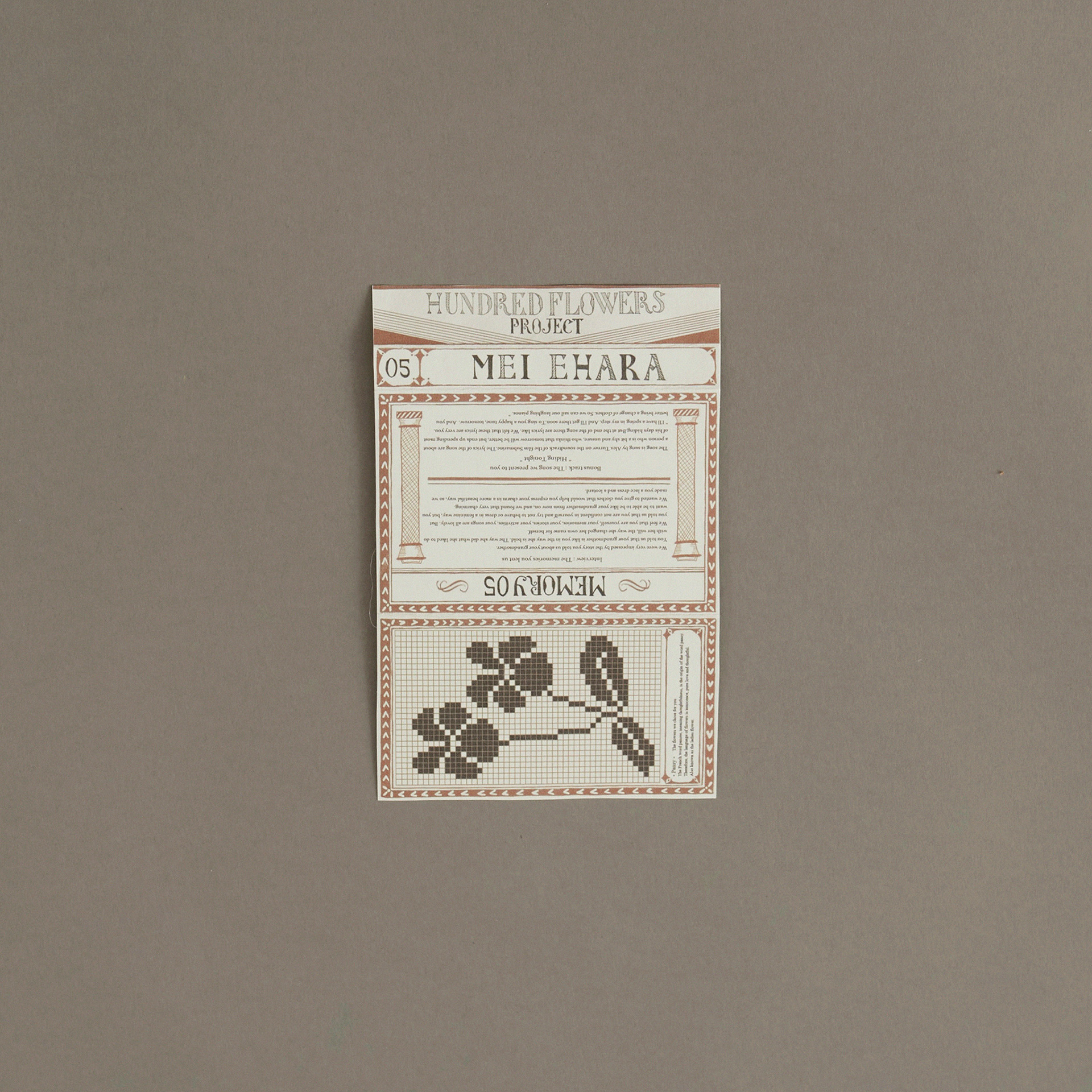
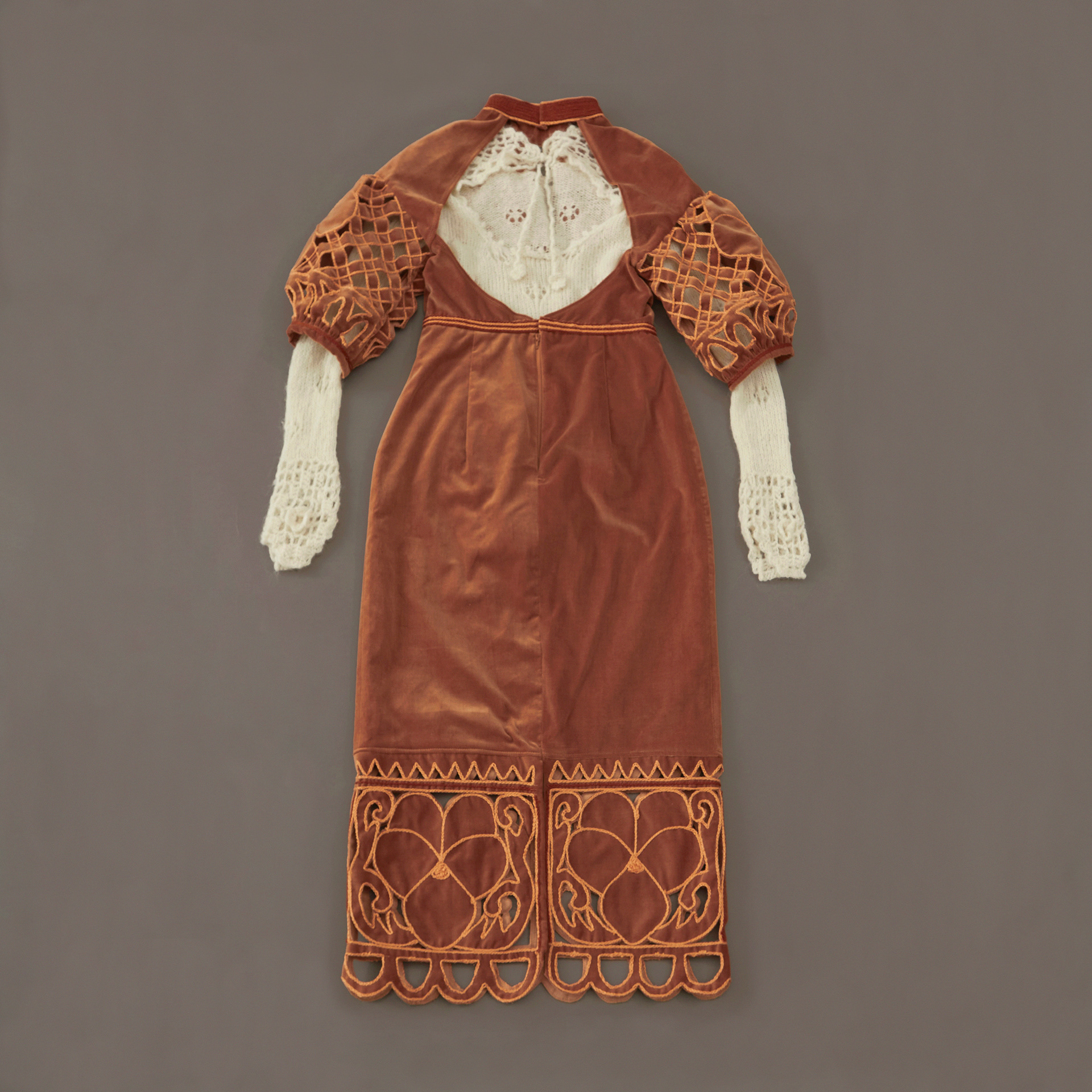
Memory 05 : Mei Ehara (Artist)
We gave her a lace of pansies.
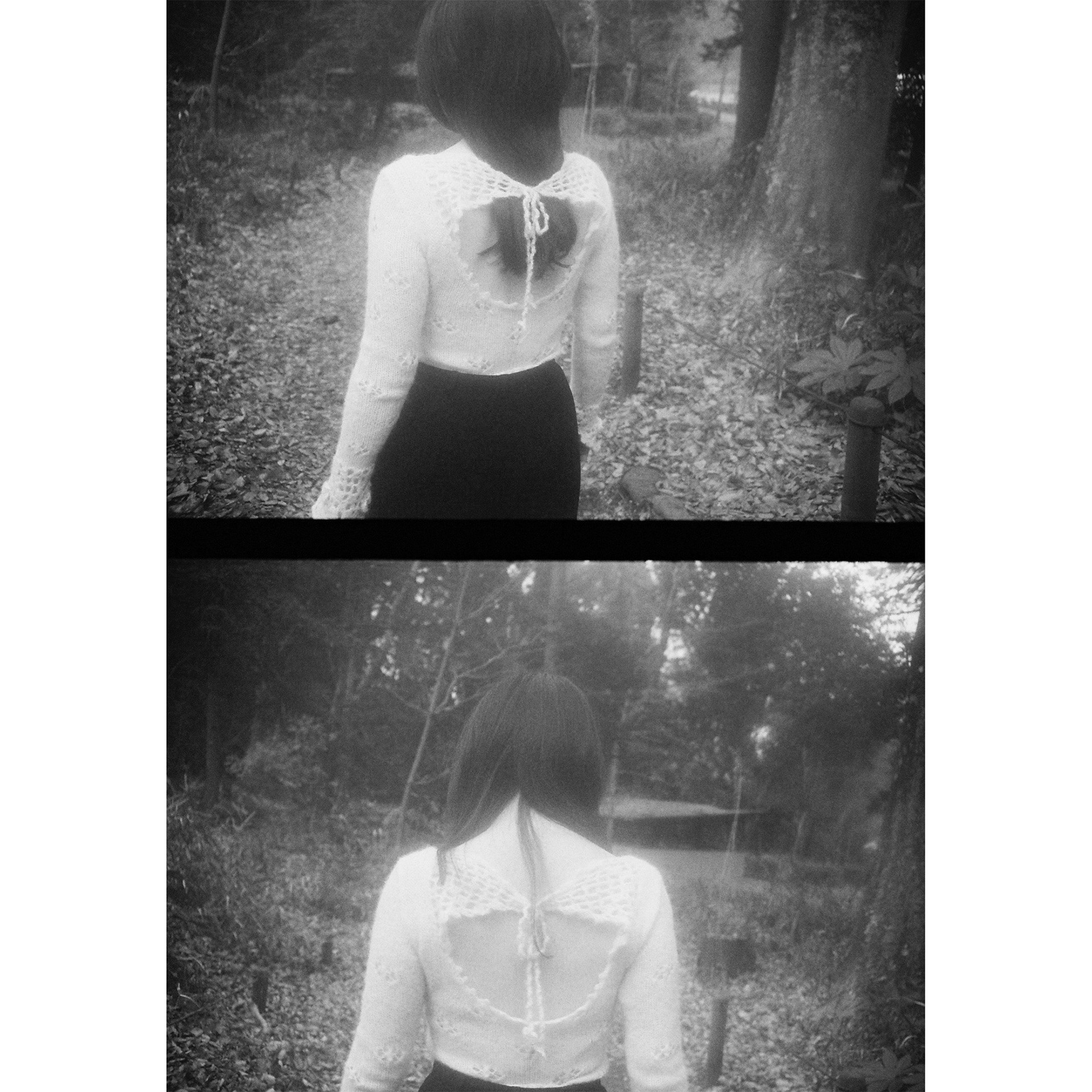
What Mei shared about her grandmother left a deep impression on us.
Even in her thirties, she never had the chance to truly talk with her grandmother, who was bedridden, and she sometimes wonders how many stories she never got to hear. She often thinks that, had they been able to talk, they might have formed a much closer relationship.
Mei’s grandmother, however, was a woman who continued to enjoy being a woman at any age. As a child, Mei sometimes felt embarrassed by her grandmother’s presence, but now she finds herself wanting to follow in her footsteps.
Even in her thirties, she never had the chance to truly talk with her grandmother, who was bedridden, and she sometimes wonders how many stories she never got to hear. She often thinks that, had they been able to talk, they might have formed a much closer relationship.
Mei’s grandmother, however, was a woman who continued to enjoy being a woman at any age. As a child, Mei sometimes felt embarrassed by her grandmother’s presence, but now she finds herself wanting to follow in her footsteps.
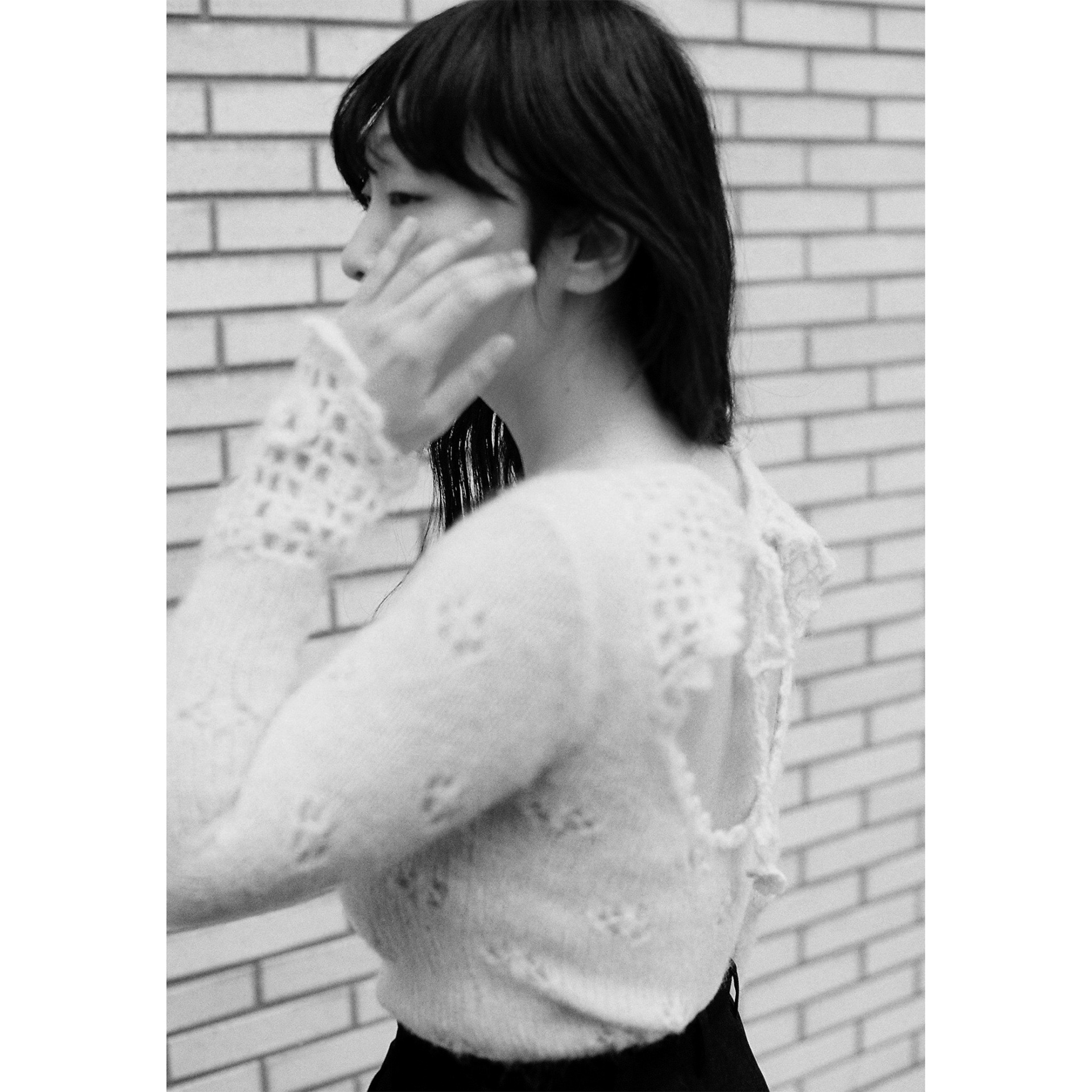
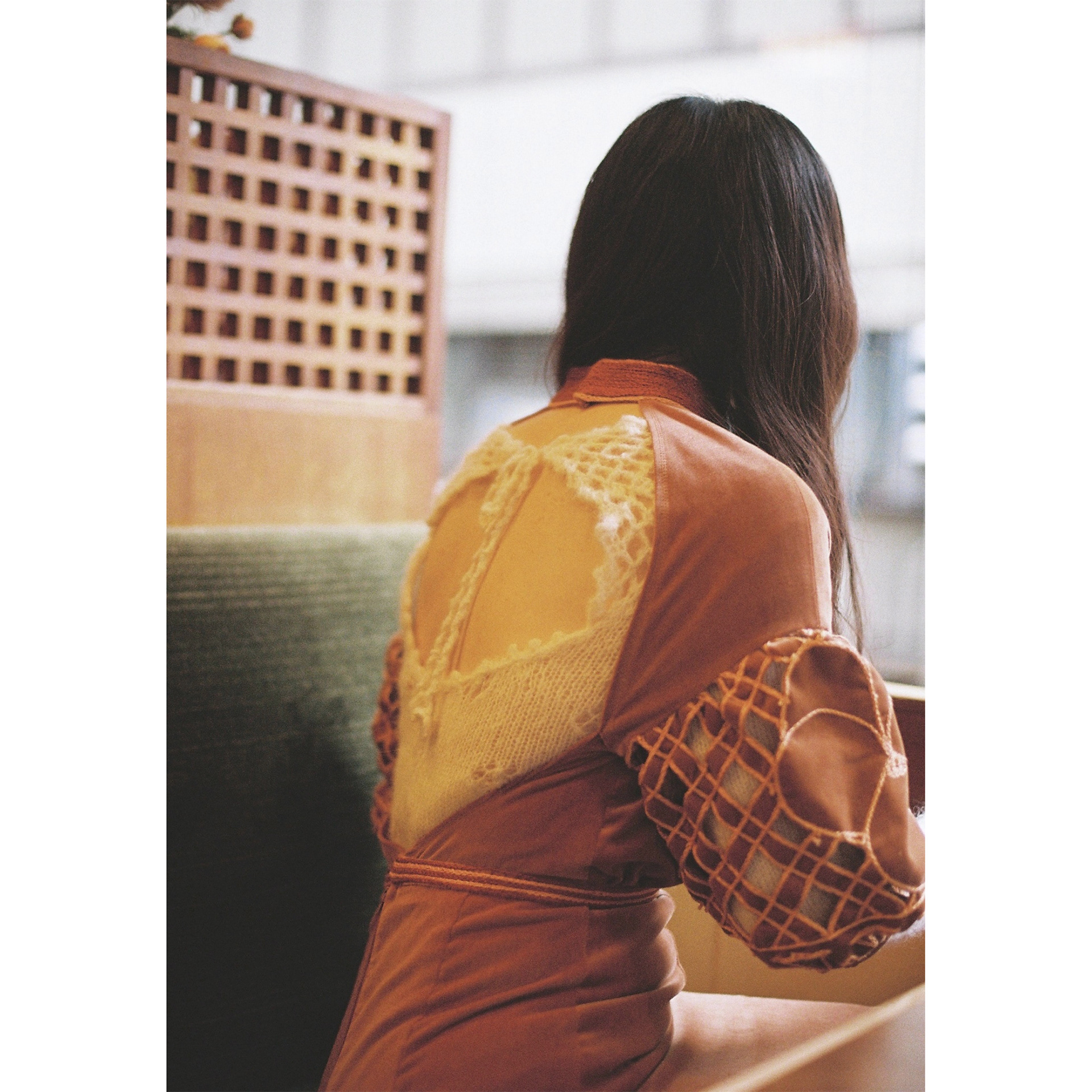
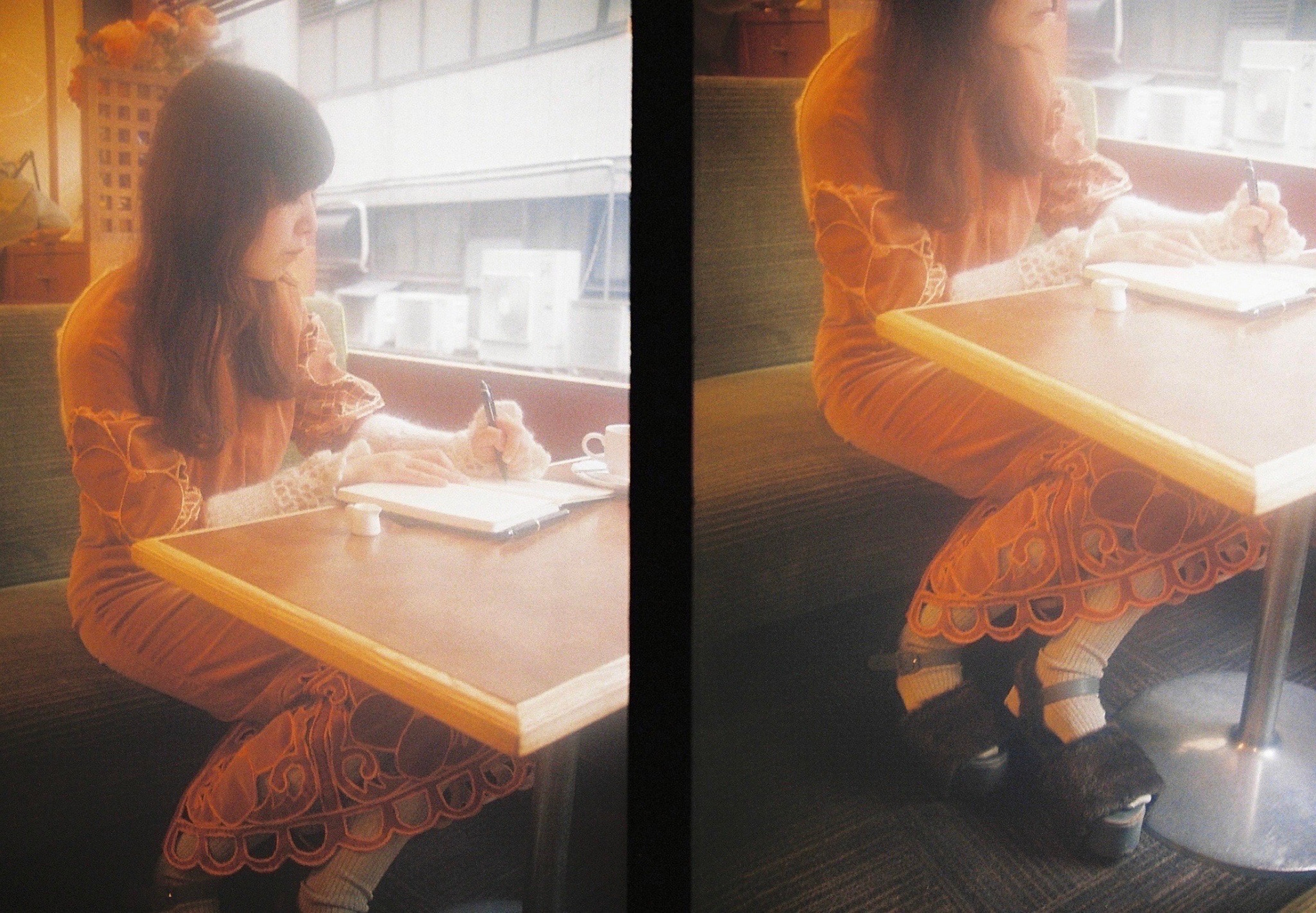
Her presence, the things she created, and the memories she shared with us were all deeply inspiring, and we wanted to create garments that would express the many qualities that made her truly unique.
Memory 04 : Hideka (Hair stylist)
We gave her a lace of aconaites.
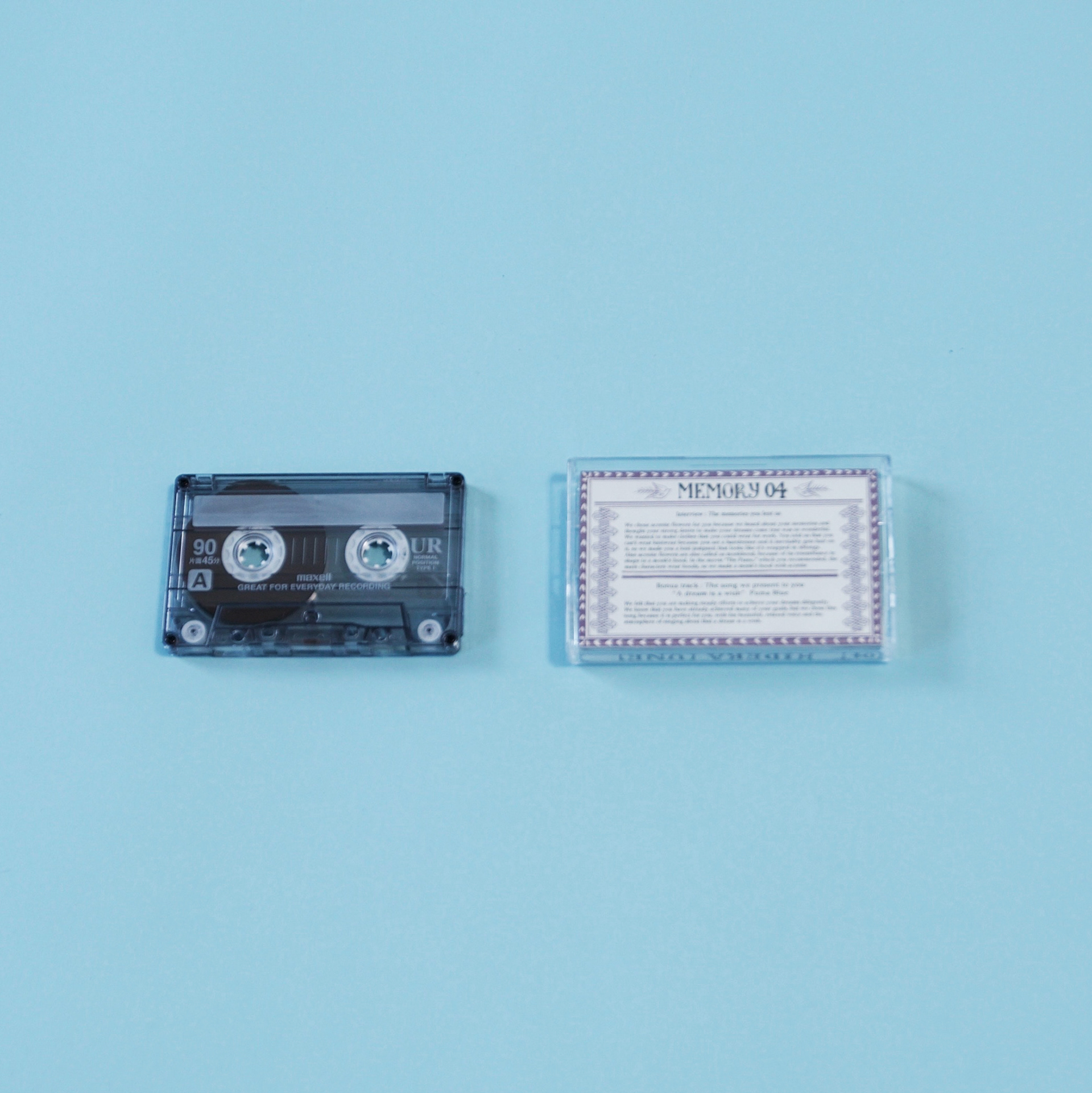
Hideka told us that she hated losing when she was young. She shared several charming episodes with us, which made it clear that she has always put great effort into achieving the goals she sets for herself.
When she began her career as a hairstylist, she spent her days off and evenings after work watching as many films as possible, believing that they would inspire and inform her approach to hair styling.
When she began her career as a hairstylist, she spent her days off and evenings after work watching as many films as possible, believing that they would inspire and inform her approach to hair styling.
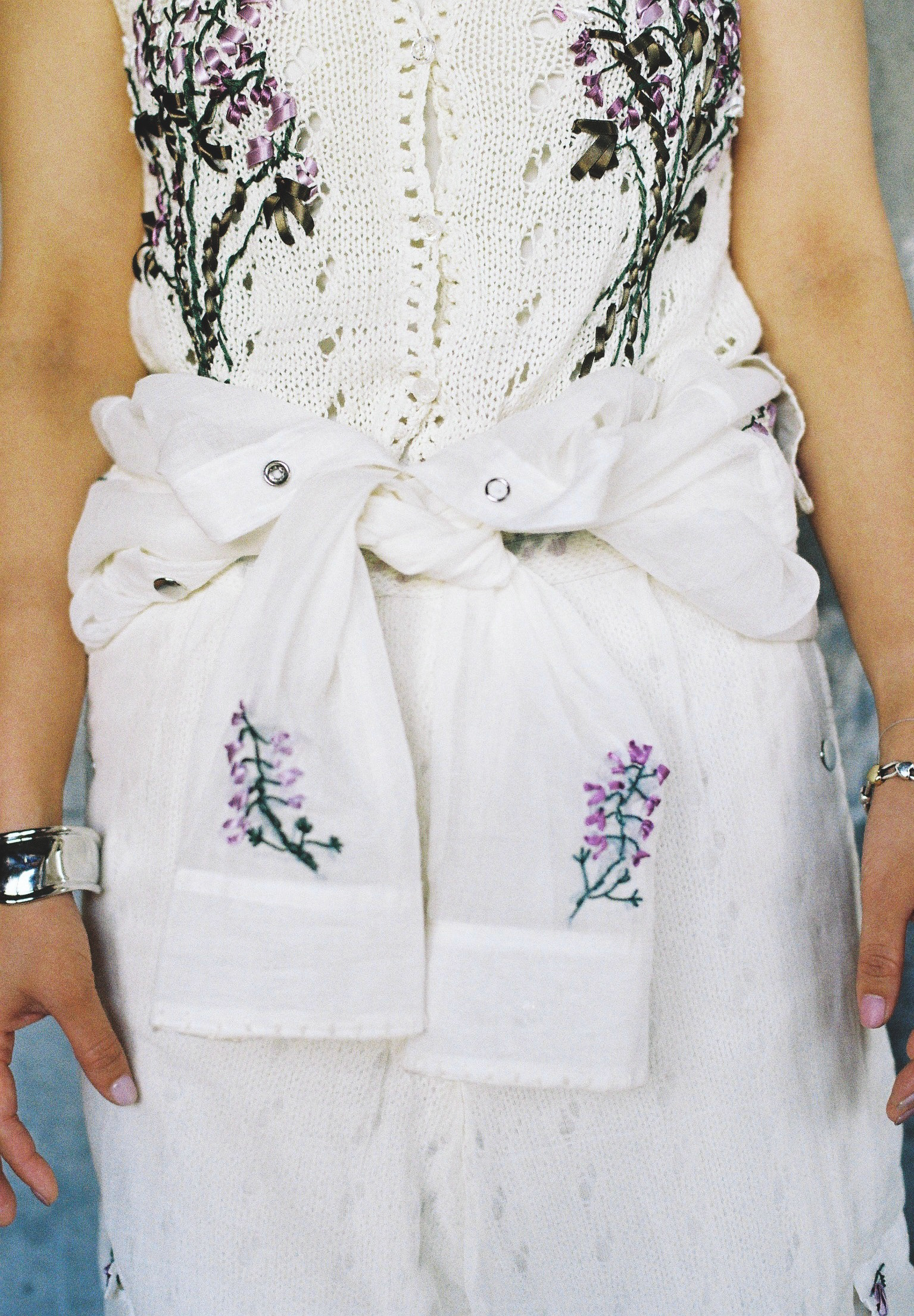
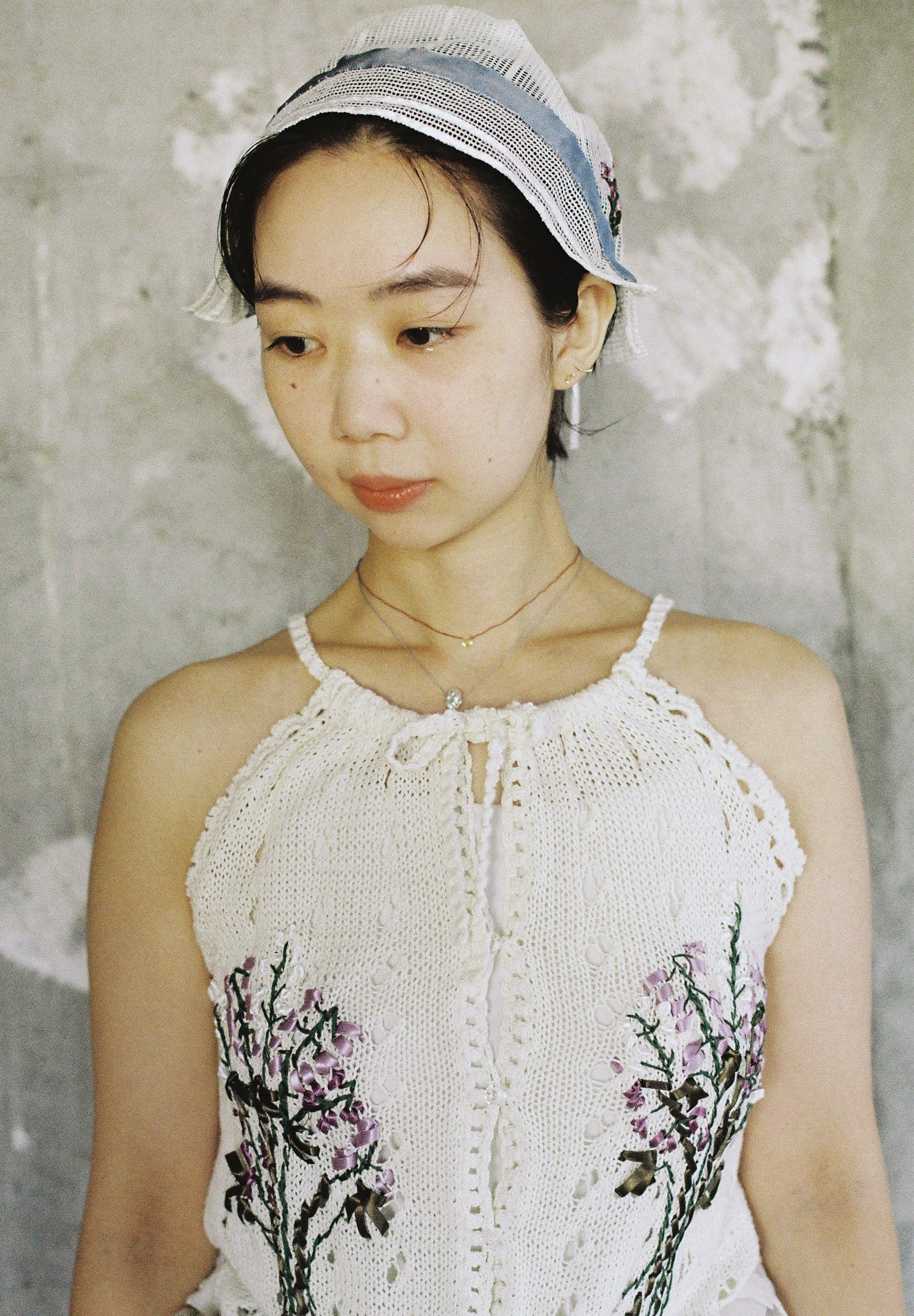
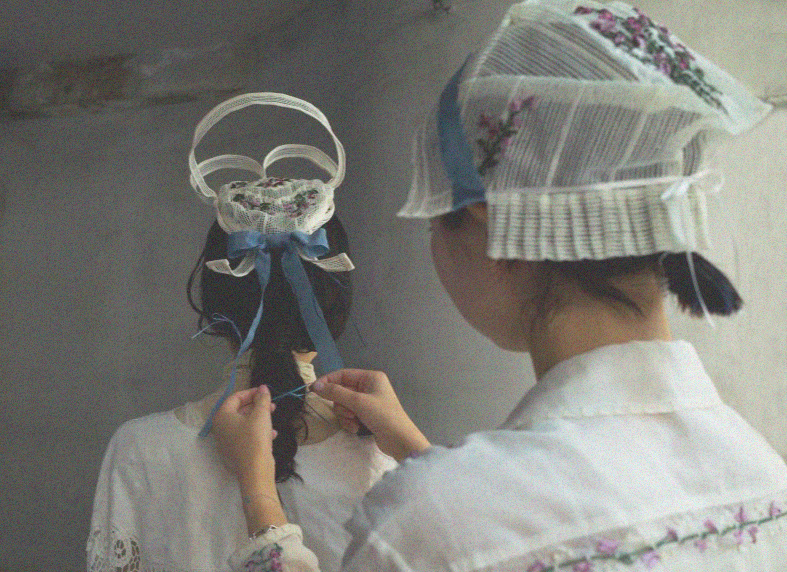
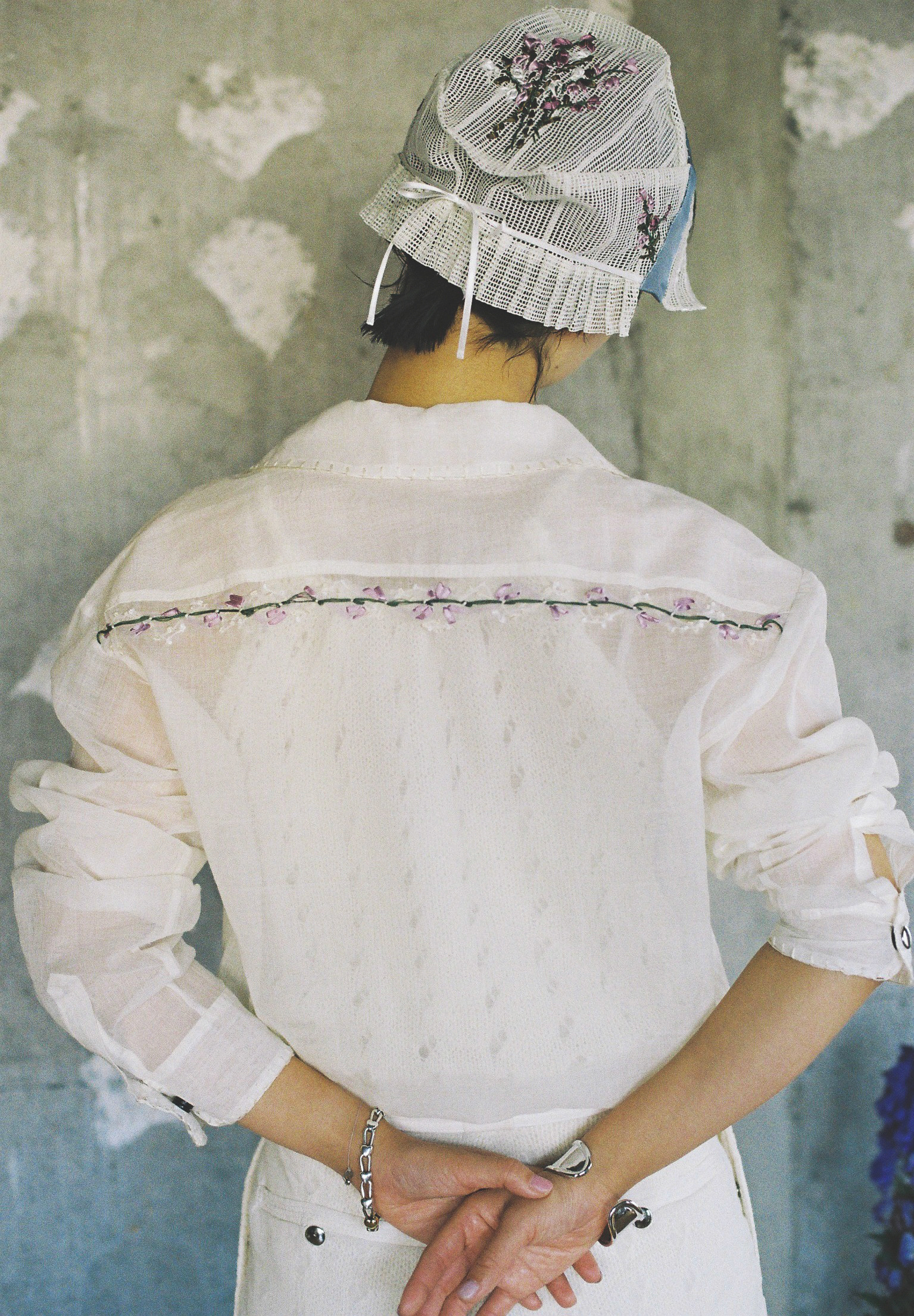
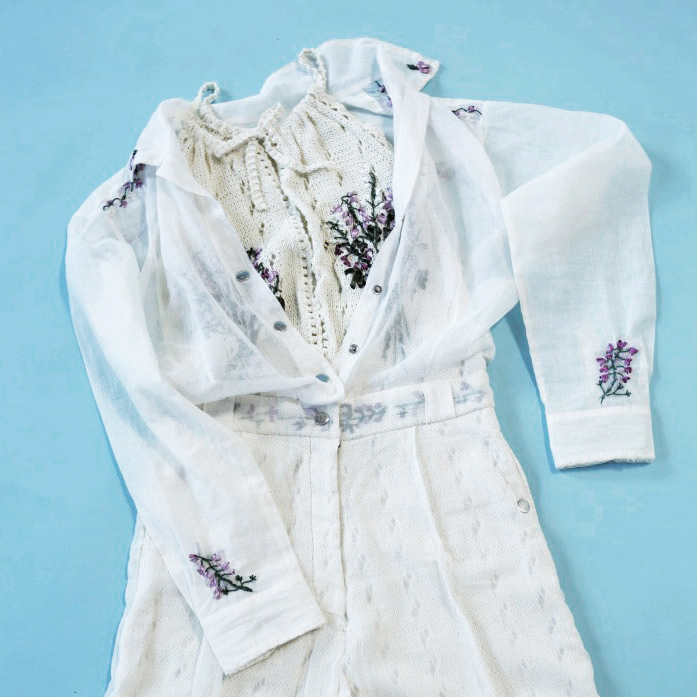
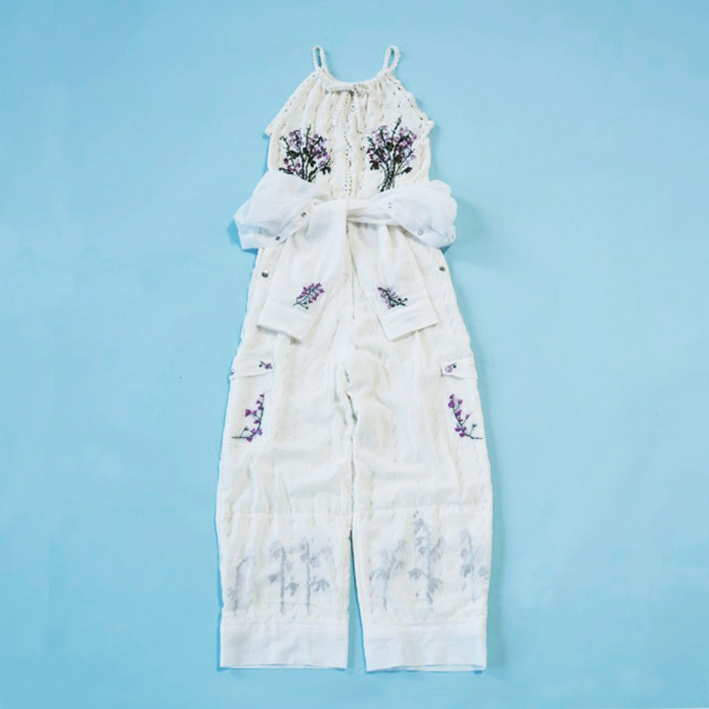
After hearing her story, we wanted to create workwear as a gift, as she deeply values her work. As a hairstylist, knitwear is difficult to wear because hair easily clings to it, so we designed a knitted jumpsuit that resembles a flower wrapped in organza.
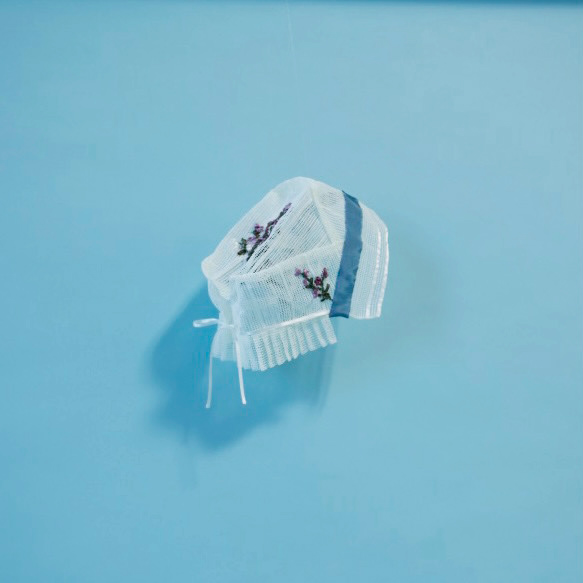
We also chose “monkshood” as a flower that resonated with her memories. We felt that she must have worked tirelessly to make her dream a reality, and the flower’s meaning of “chivalry” felt especially fitting. Monkshood is also known as “monk’s hood” because its shape resembles a hood. The main character in The Piano, a film she recommended to us, also wears a hood, so we created a hood embroidered with monkshood motifs.
We also chose “monkshood” as a flower that resonated with her memories. We felt that she must have worked tirelessly to make her dream a reality, and the flower’s meaning of “chivalry” felt especially fitting. Monkshood is also known as “monk’s hood” because its shape resembles a hood. The main character in The Piano, a film she recommended to us, also wears a hood, so we created a hood embroidered with monkshood motifs.
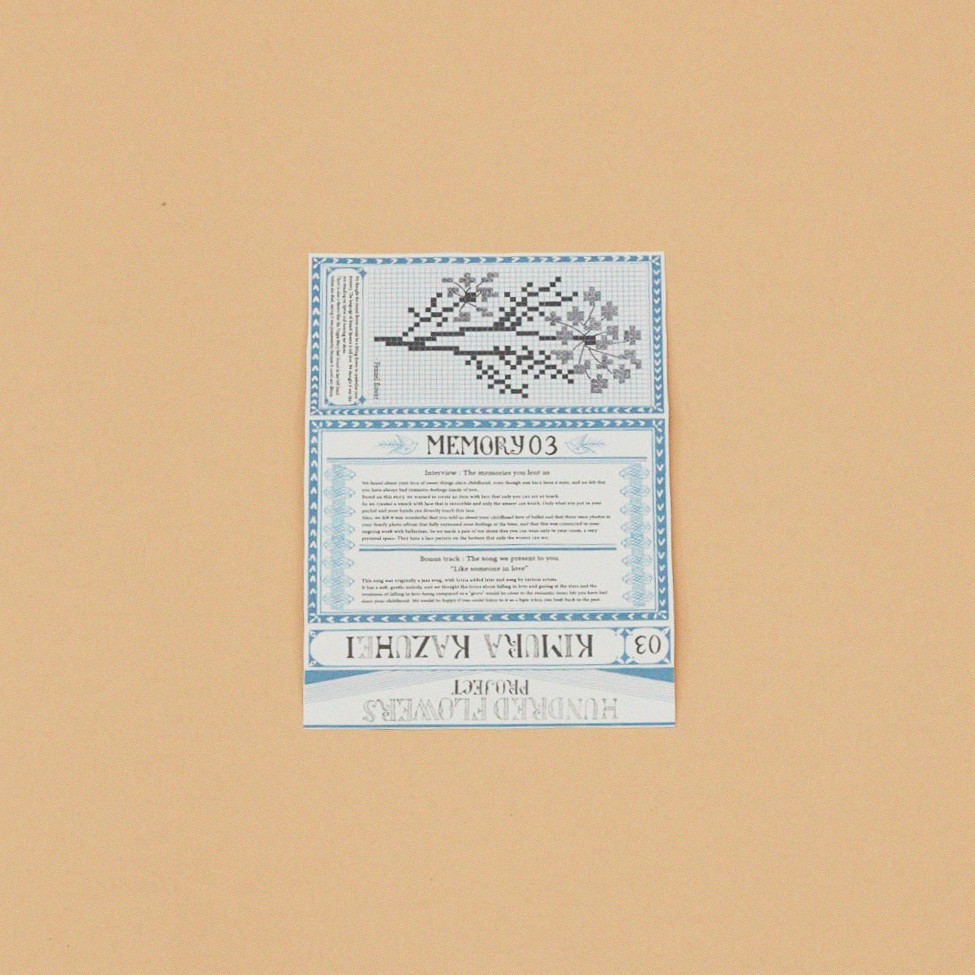
Memory 03 : Kazuhei Kimura (Photographer)
We gave him a lace of fennel.
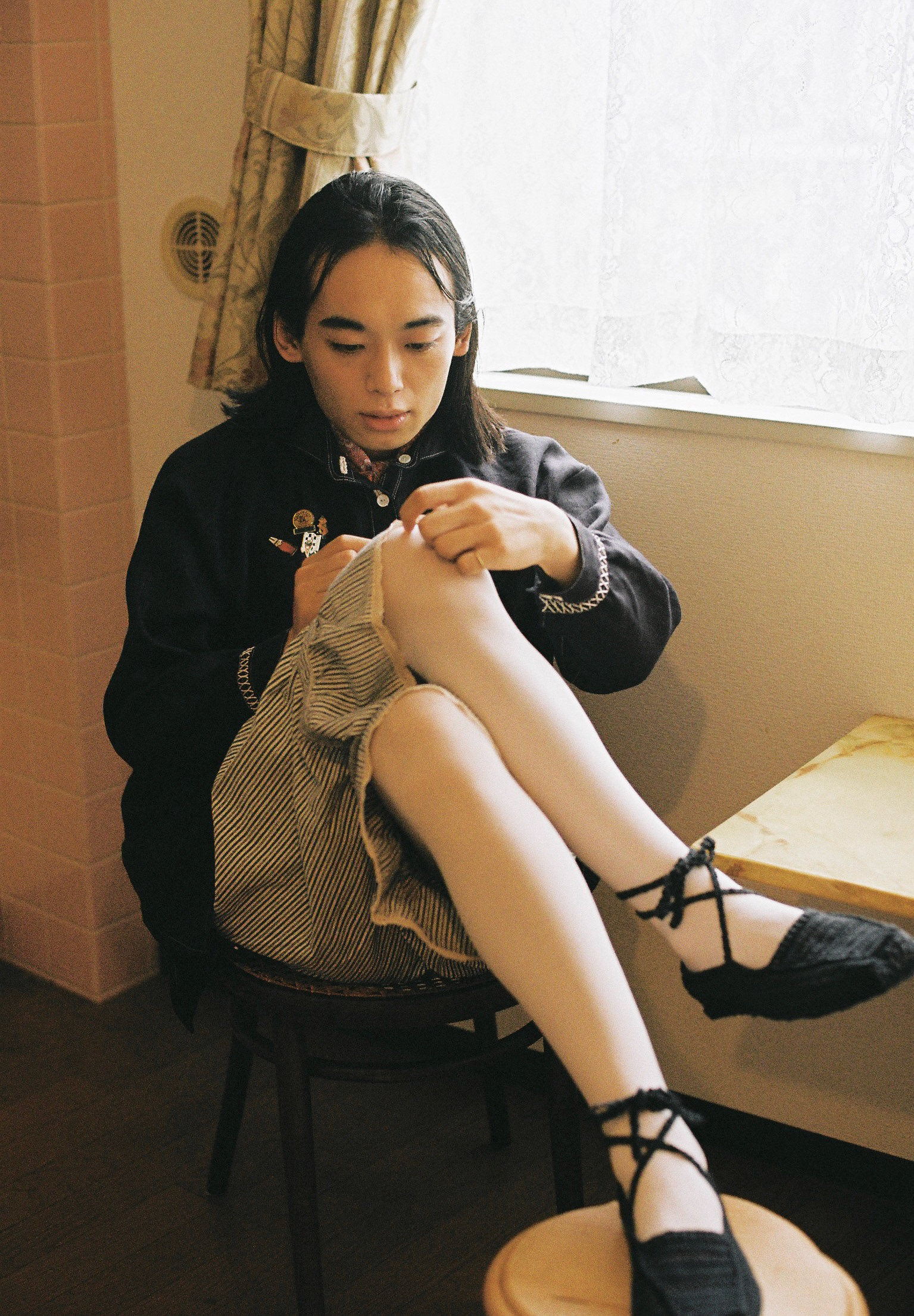
Classical ballet was part of his childhood, influenced by his older sister. At the time, she encouraged him to take ballet lessons, but he was too shy to do so. Years later, while looking through a family album, he discovered a photograph of himself at the age of three, standing on his tiptoes in his sister’s pointe shoes. In that moment, he realized that he had always wanted to become a ballet dancer.
This discovery became the catalyst for his work—photographing ballet recitals and transforming them into works of art. He also speaks of having been born with a love for cute things; although he does not wish to wear them himself, he often finds himself naturally drawn to them.
This discovery became the catalyst for his work—photographing ballet recitals and transforming them into works of art. He also speaks of having been born with a love for cute things; although he does not wish to wear them himself, he often finds himself naturally drawn to them.
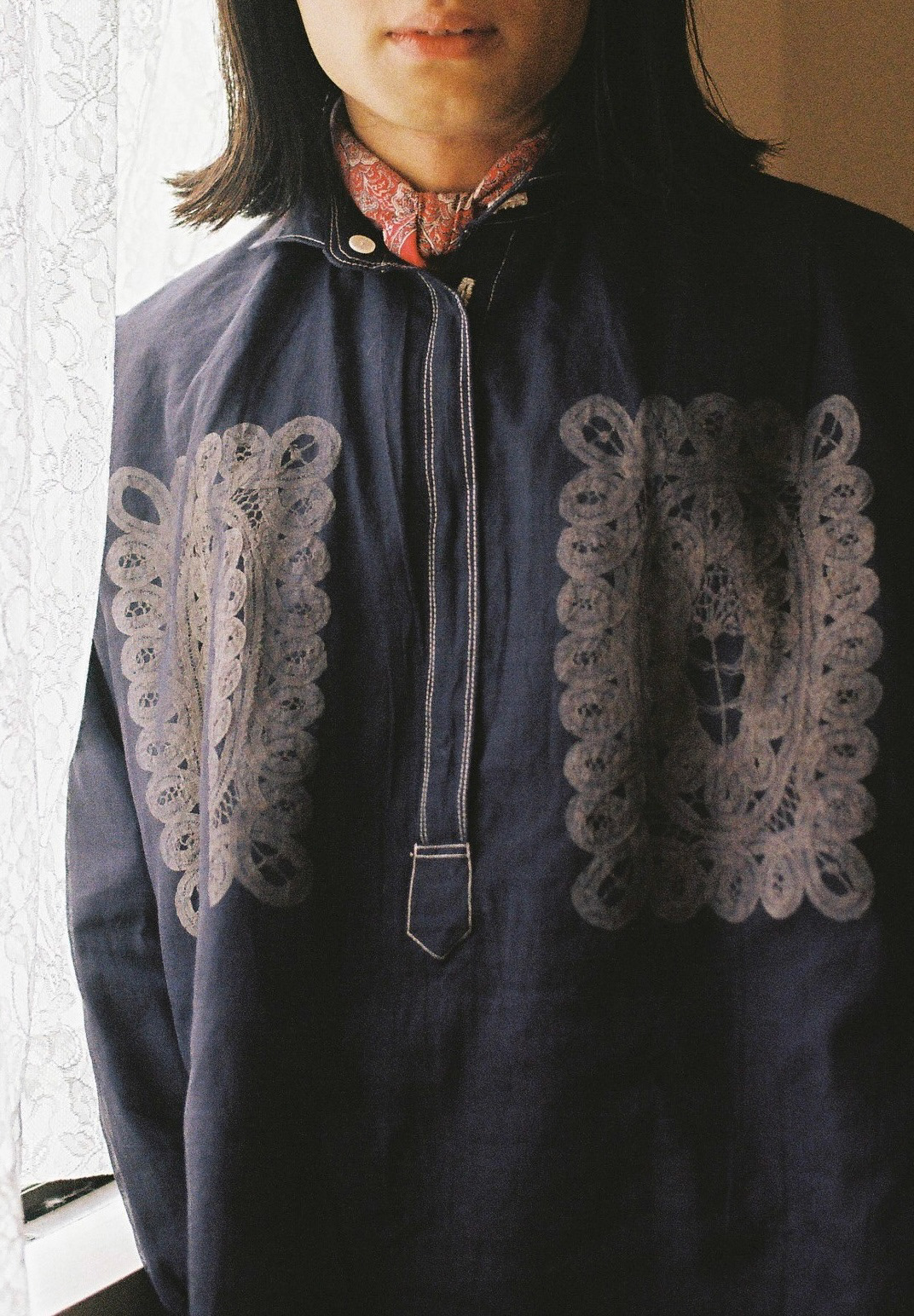
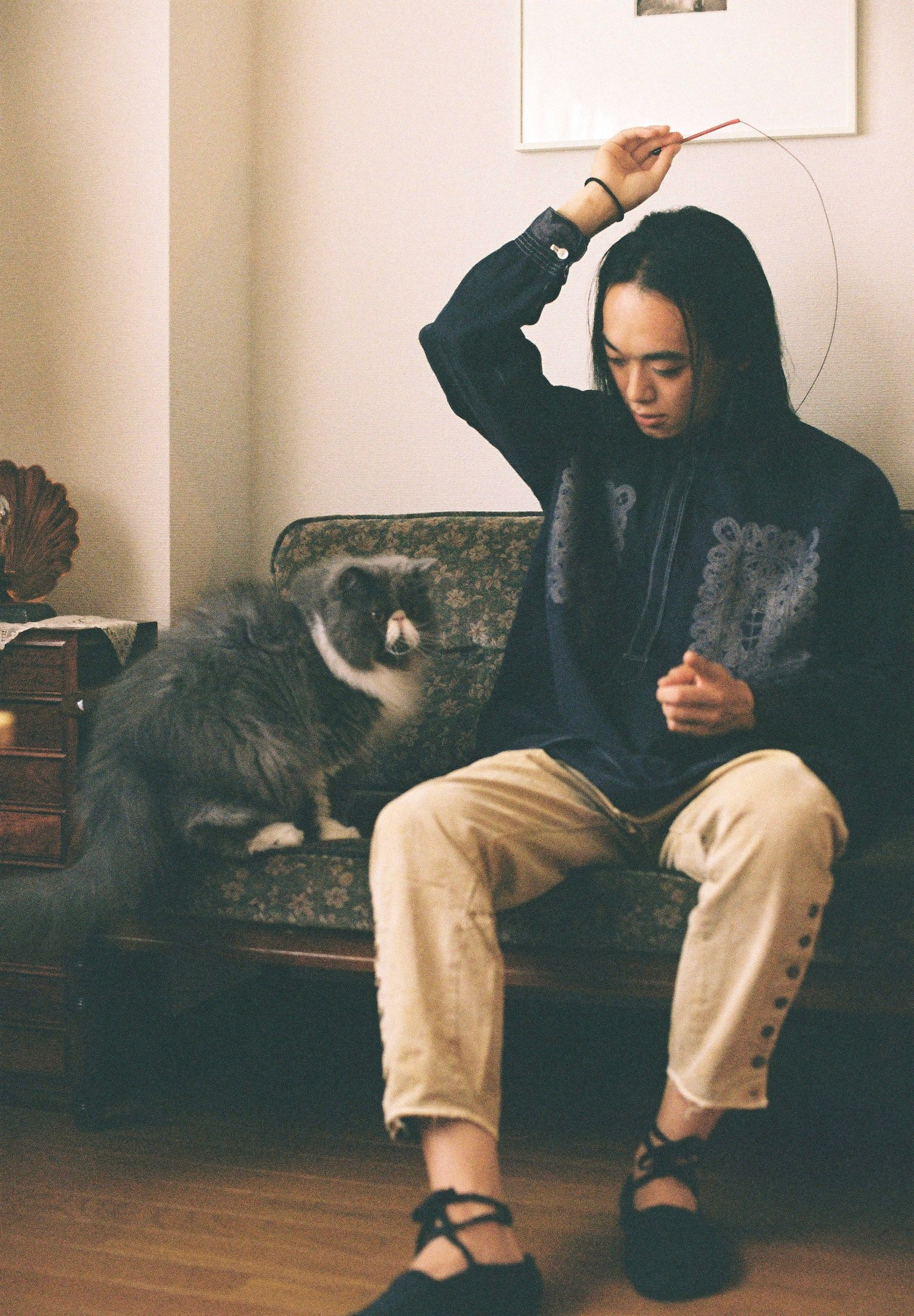

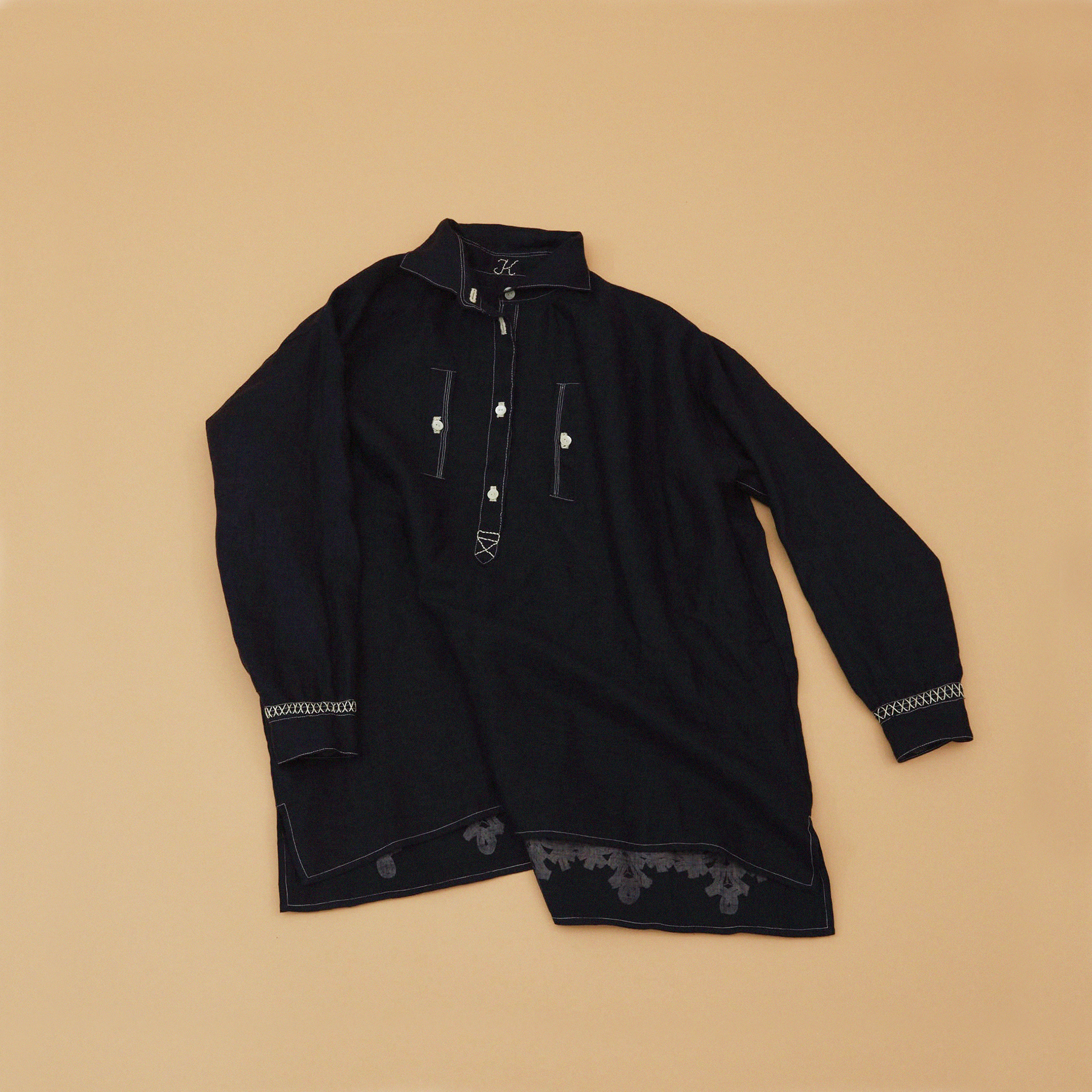
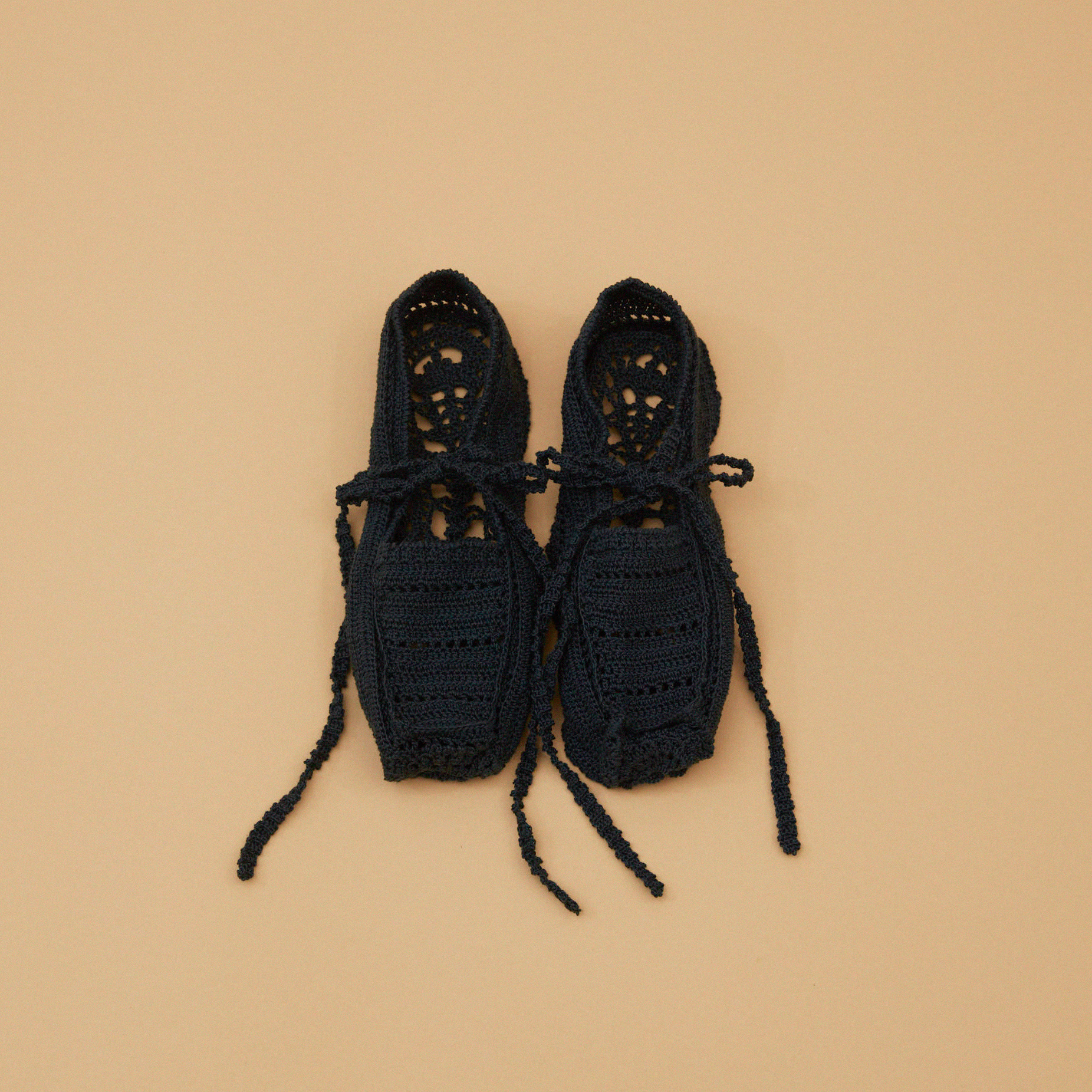
We felt that he always carried something cute within him, so we wanted to create garments in which lace is quietly hidden away. We created a reversible smock, designed so that only the wearer’s hands come into contact with the lace, along with a pair of room shoes with lace on the soles—details known only to the wearer.
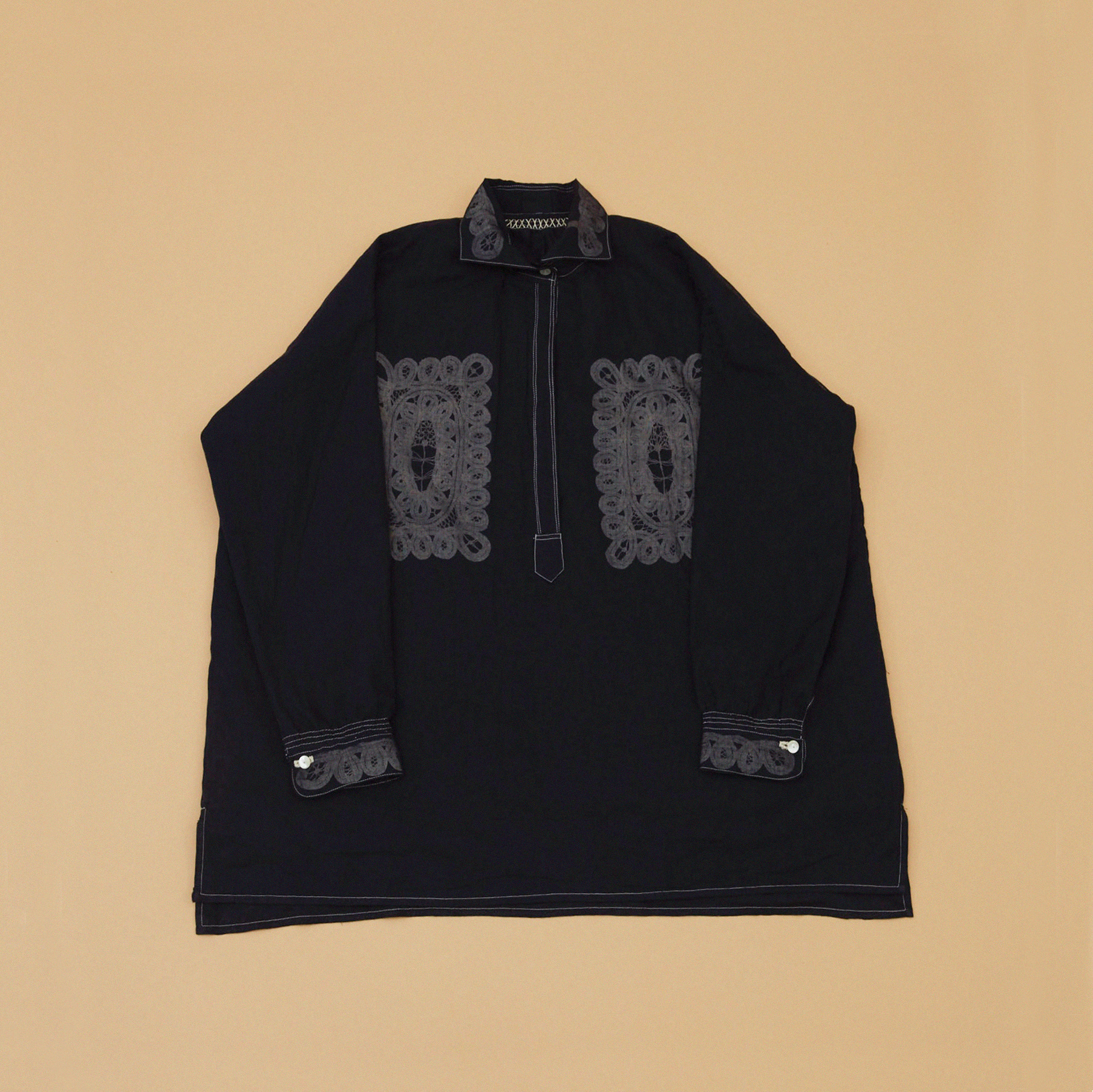
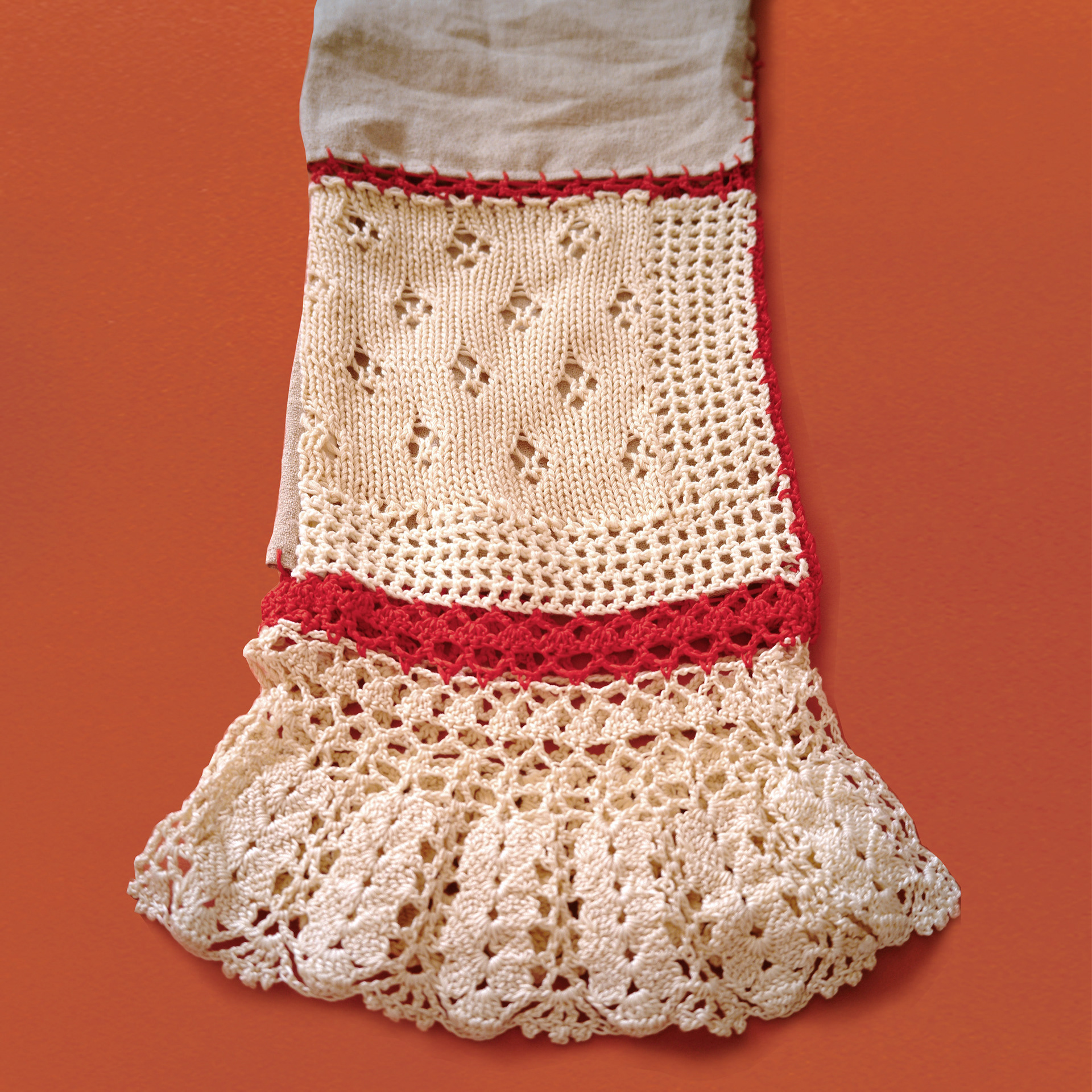
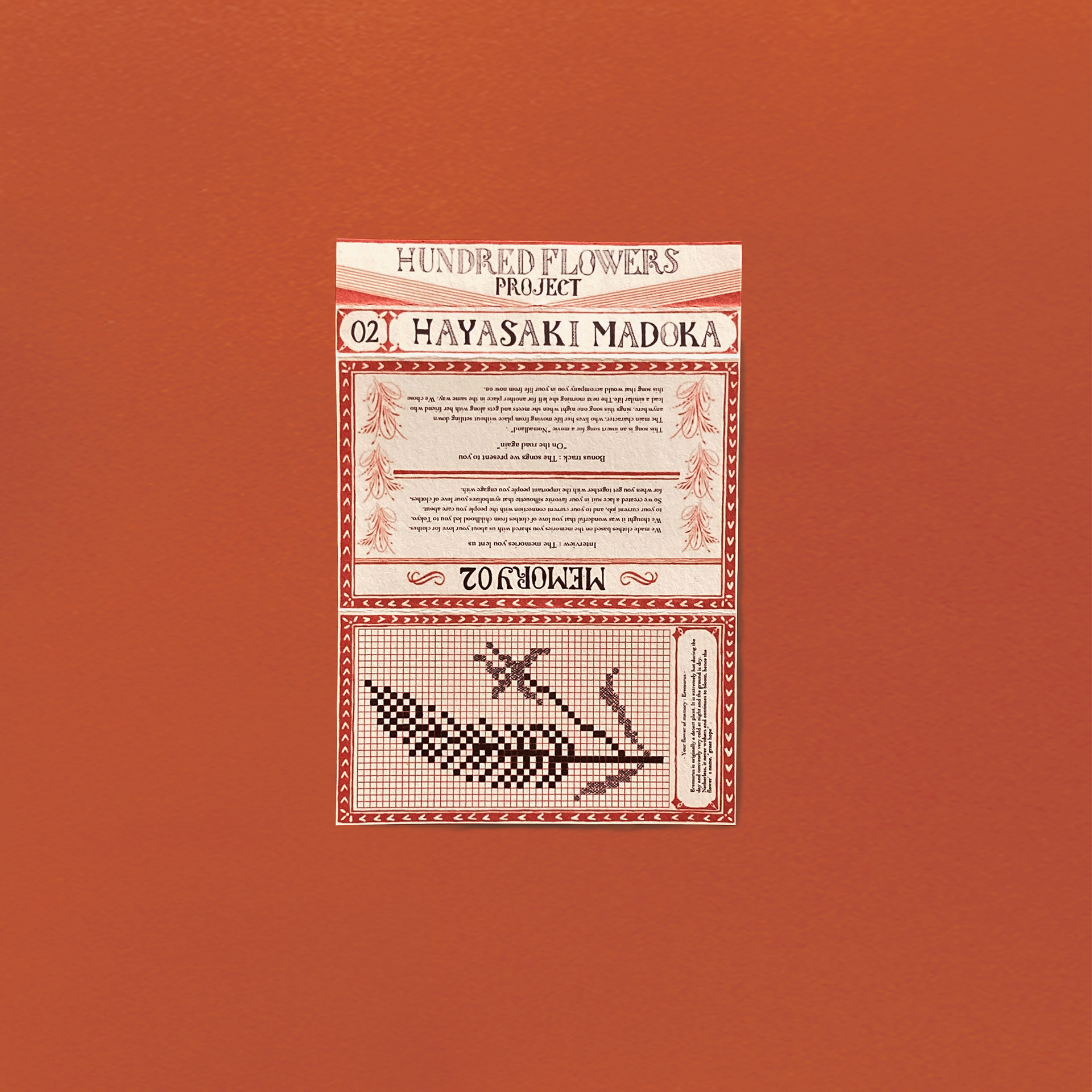
Memory 02 : Madoka Hayasaki ( Flower artist)
We gave her a lace of elemulus.
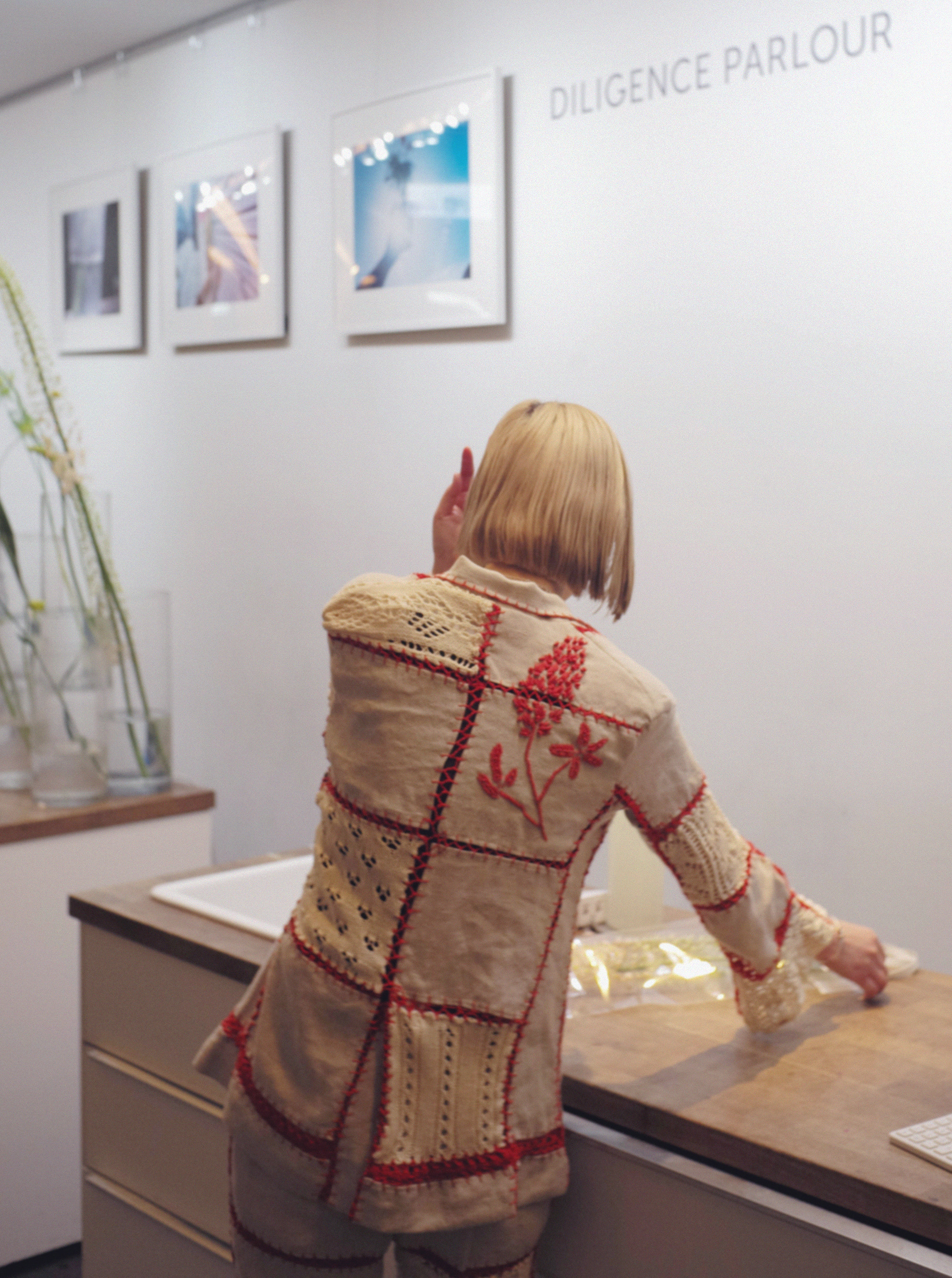
Madoka shared with us the story of how she first fell in love with clothes. That love expanded her circle of connections, brought her together with people she deeply cares about, and ultimately led her to her current work.
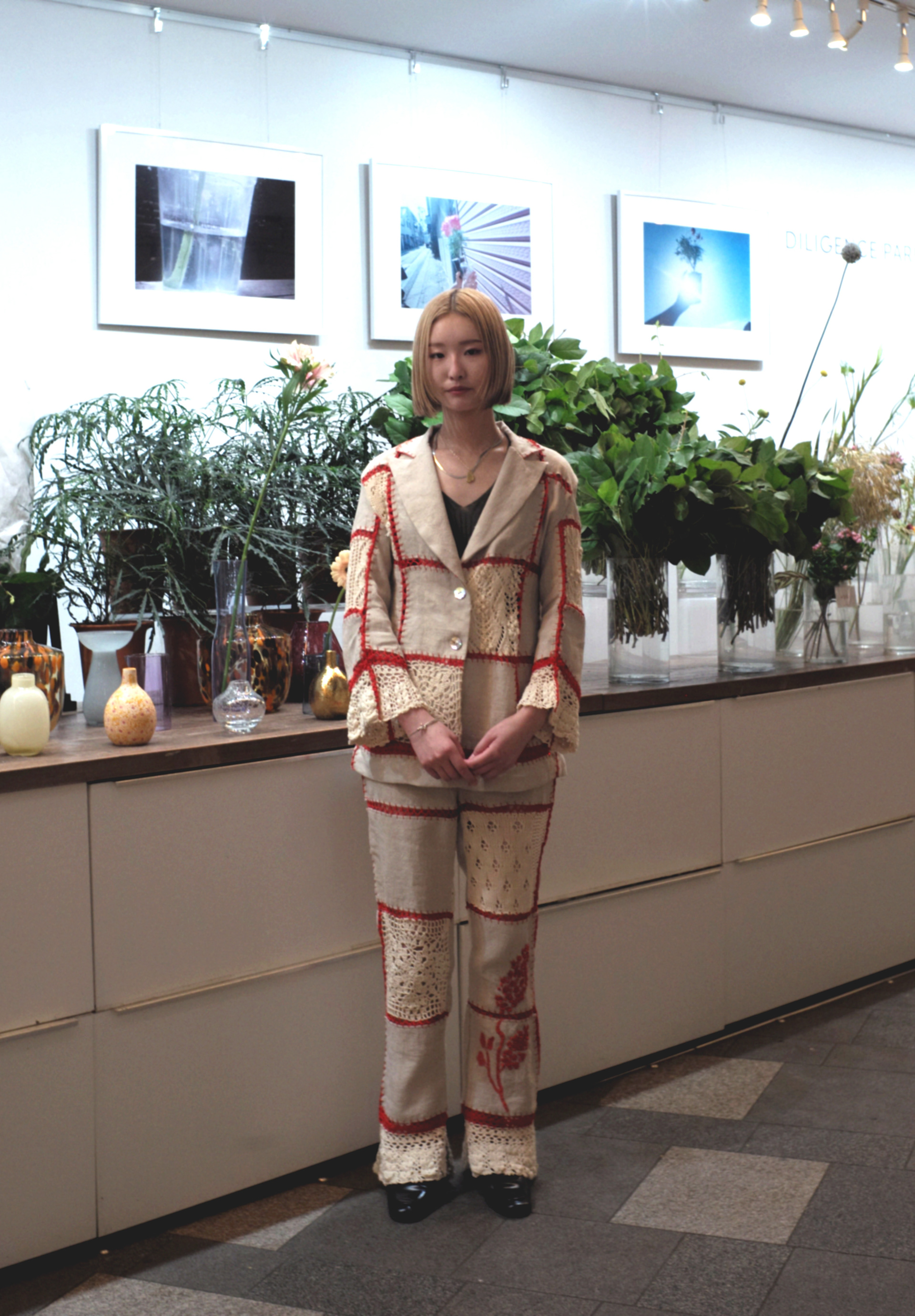
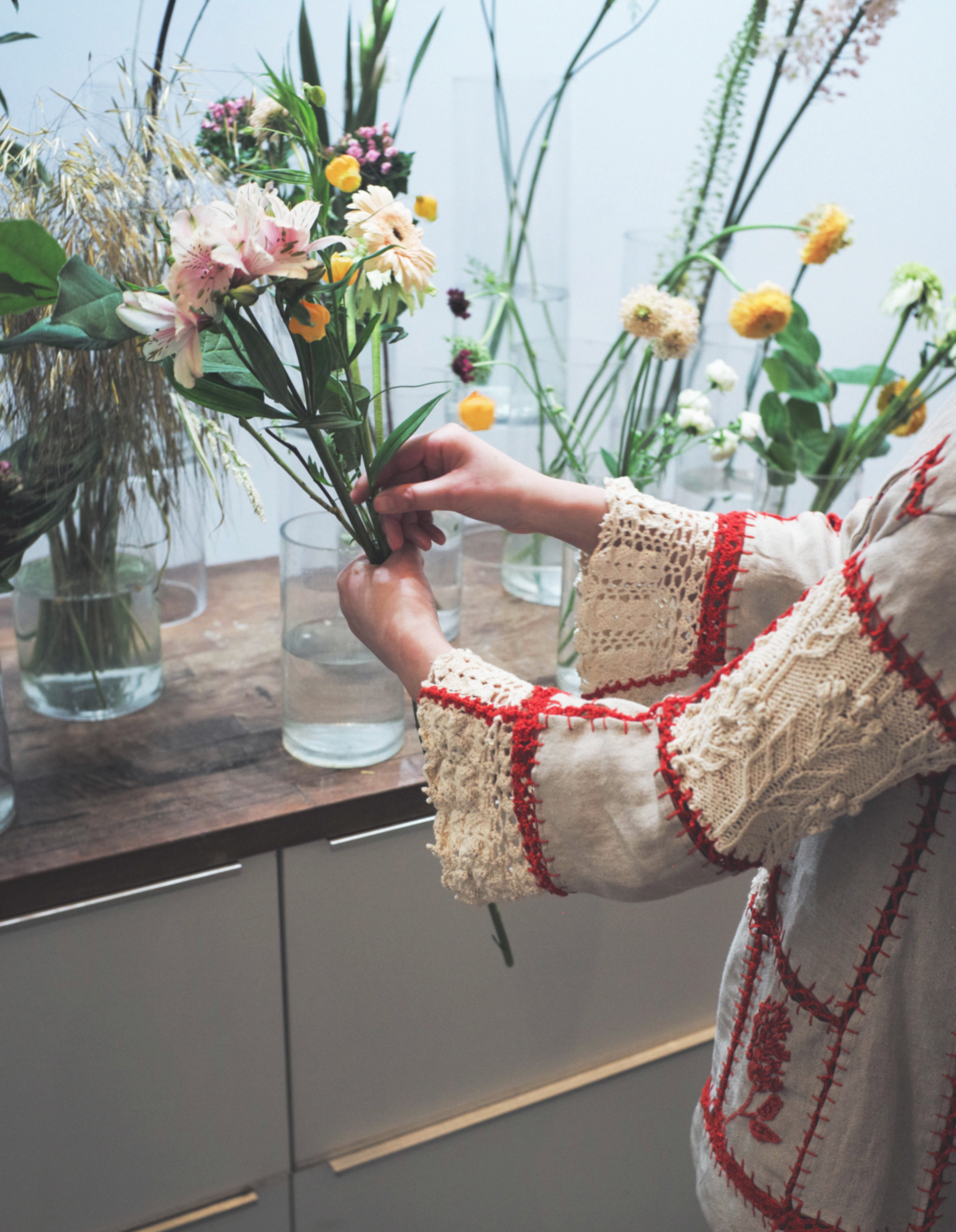
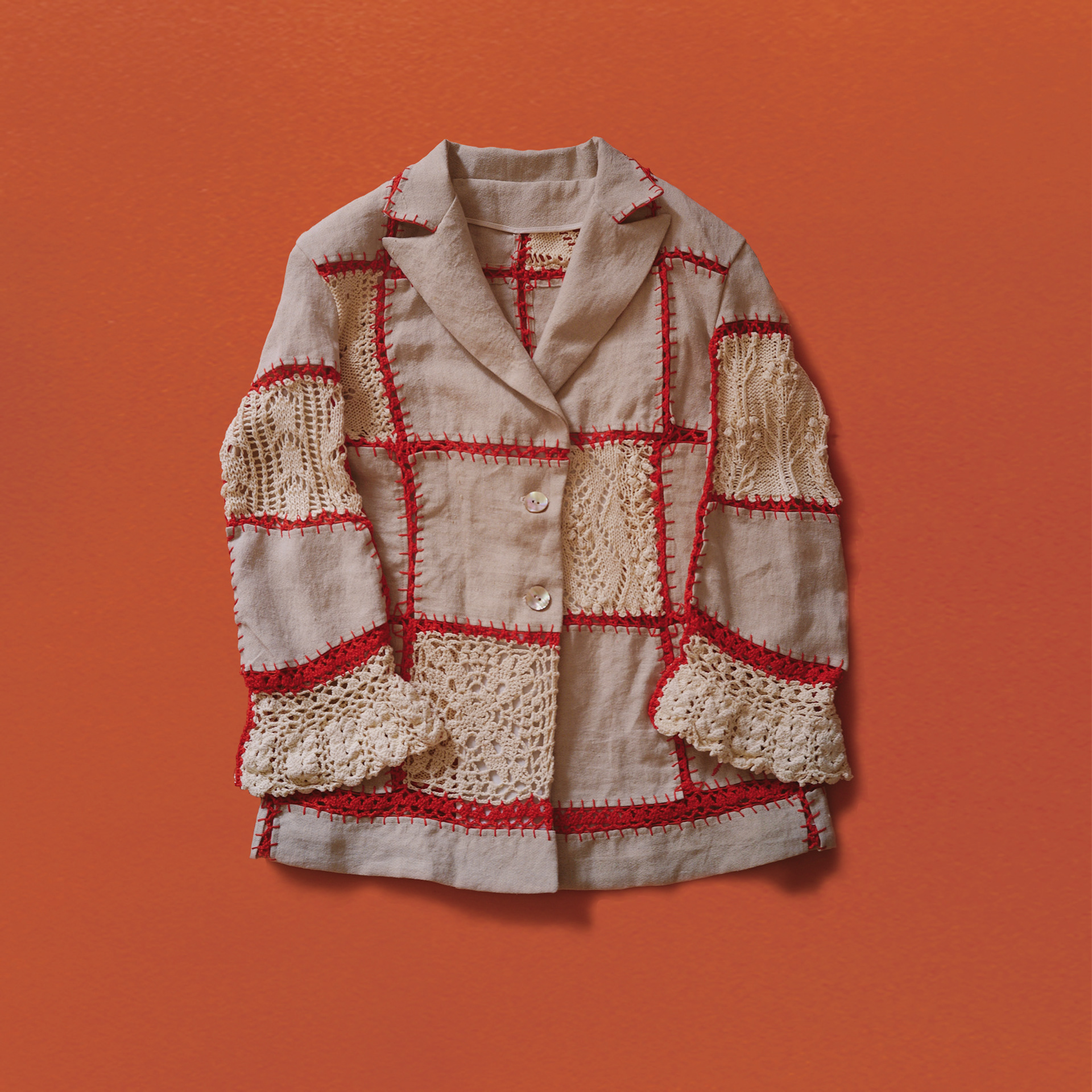
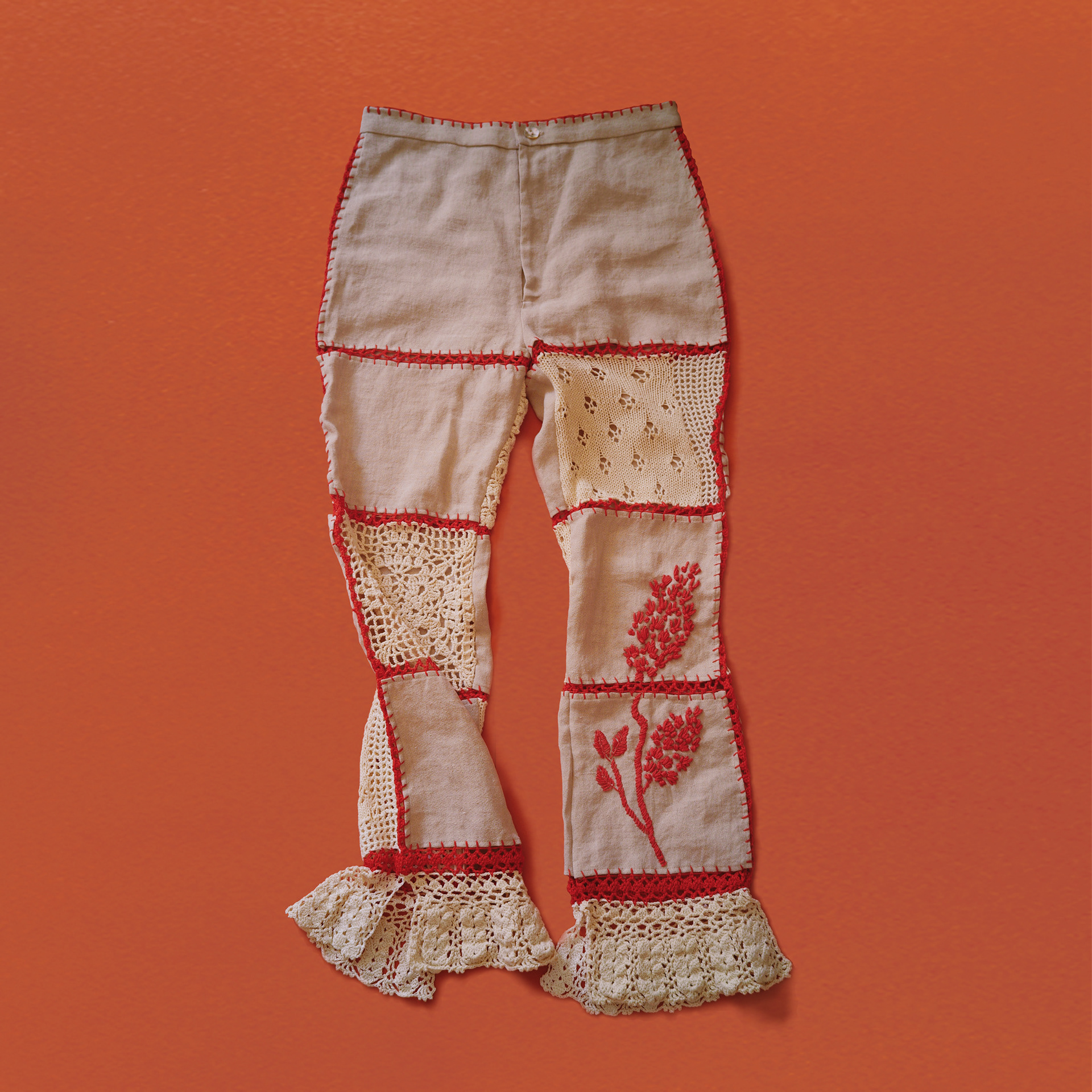
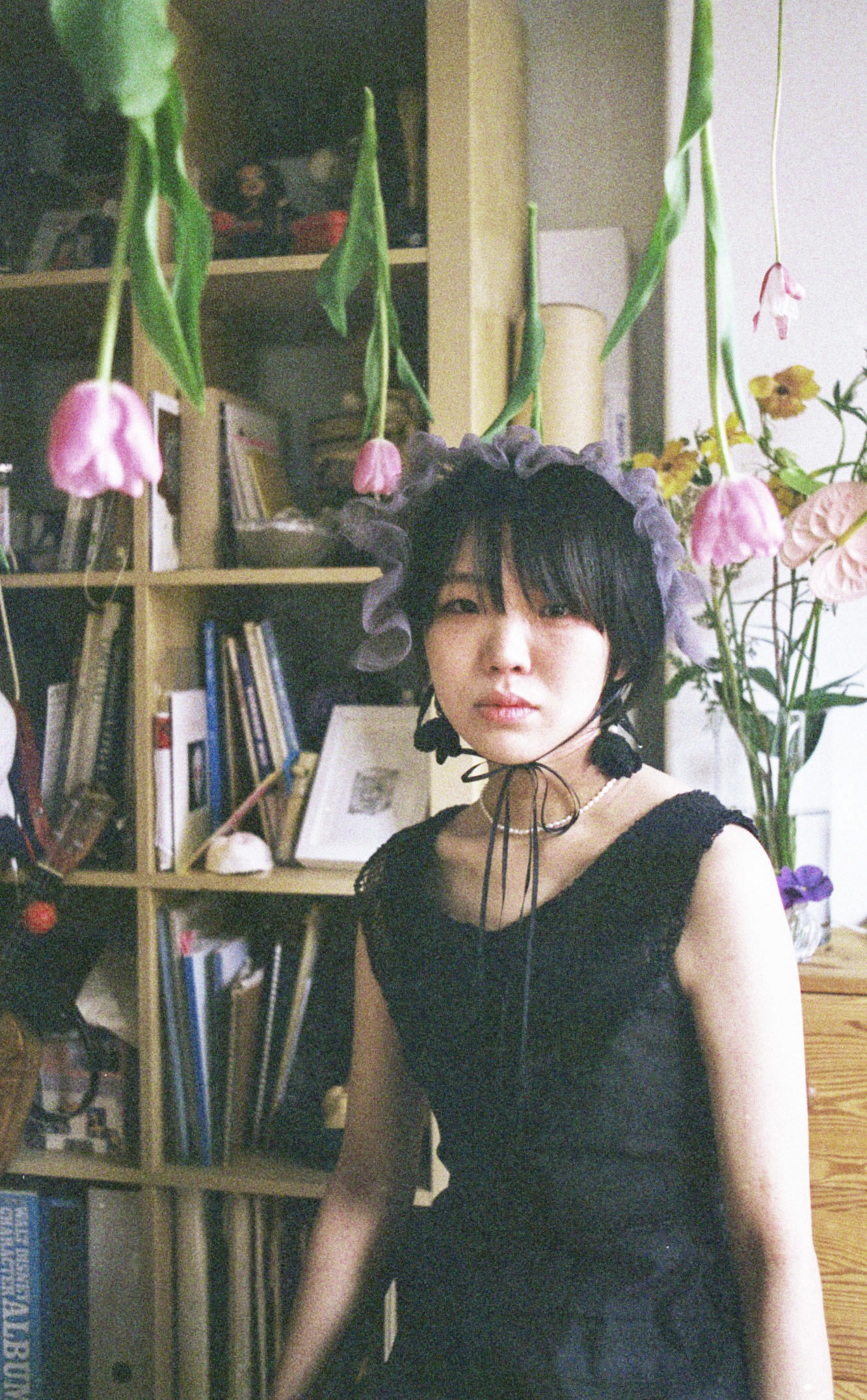
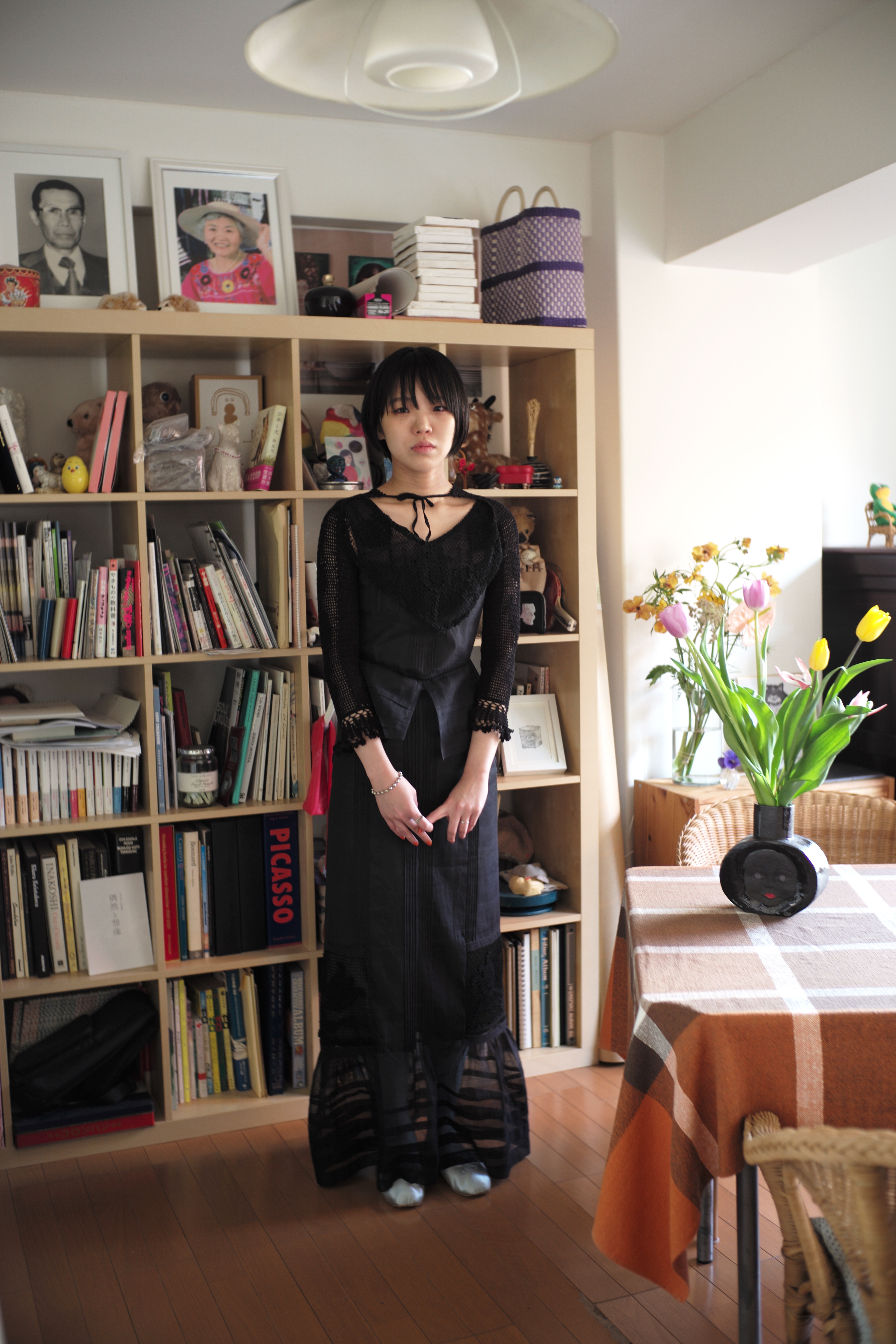
We spoke with her in detail about her favorite details and her usual clothing size, and created a lace suit adorned with Eremurus flowers—symbols of her love for clothing—which we presented to her as a gift.
We photographed her as if capturing moments from her everyday life: wrapping flowers on her way home from work and visiting her favorite bar.
We photographed her as if capturing moments from her everyday life: wrapping flowers on her way home from work and visiting her favorite bar.
Memory 01 : Momoko Nakamura
We gave her a lace of tulip.
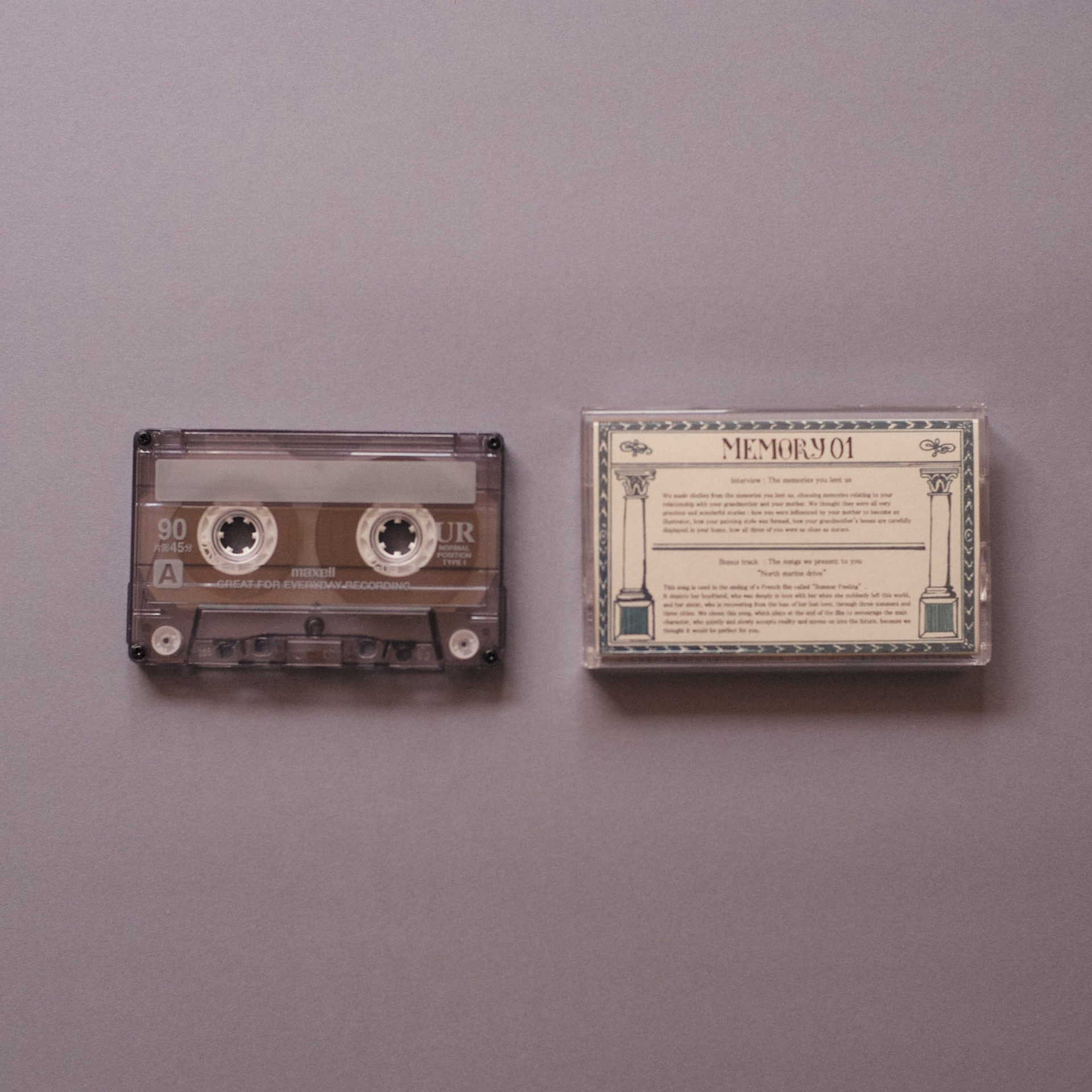
She shared with us how deeply she was influenced by her grandmother and mother, having lived together and traveled with them from a young age. The three of them lived like sisters. Influenced by her mother, an illustrator, she also became an illustrator herself.
When her grandmother passed away last year, she told us that she and her mother sent her off by painting her coffin.
When her grandmother passed away last year, she told us that she and her mother sent her off by painting her coffin.
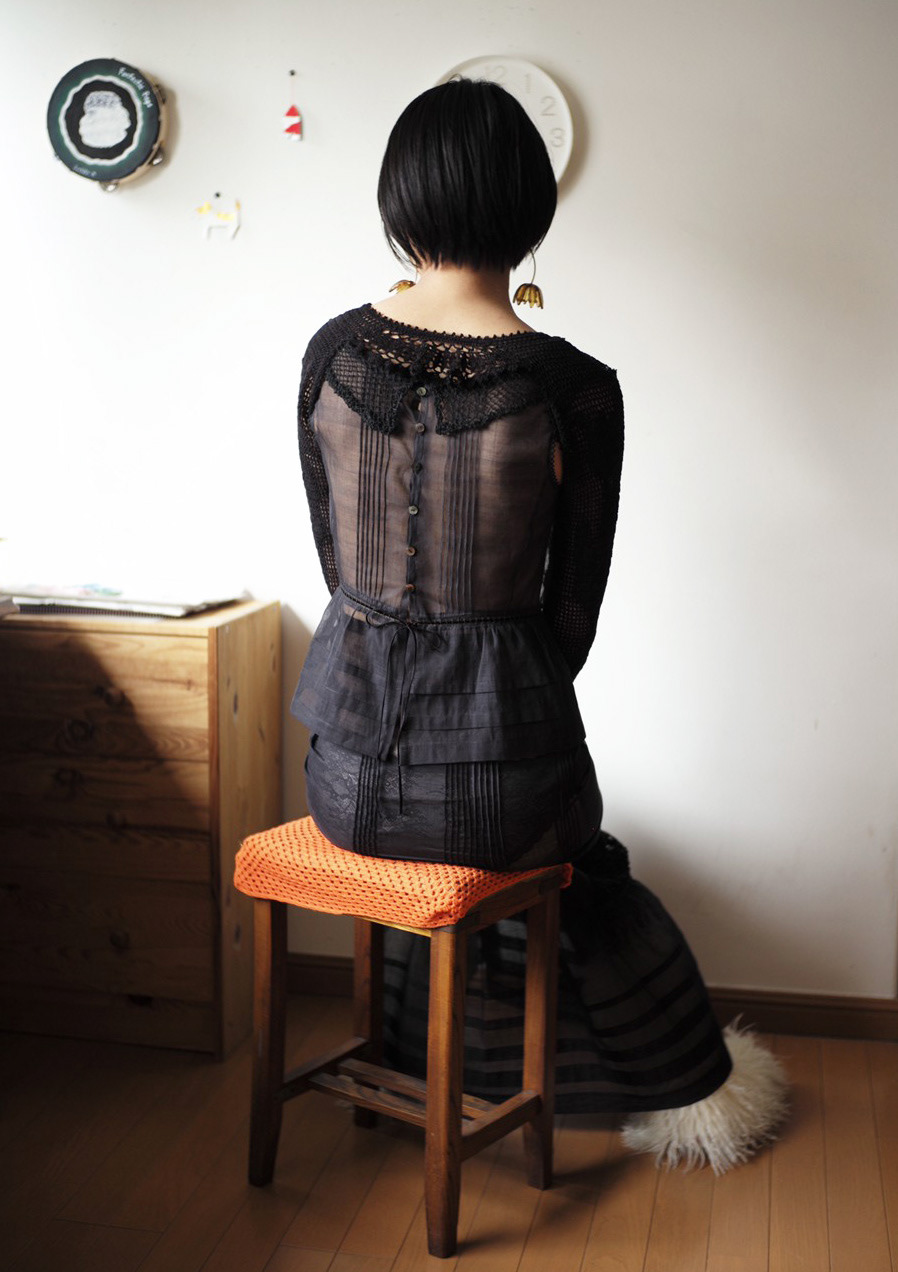
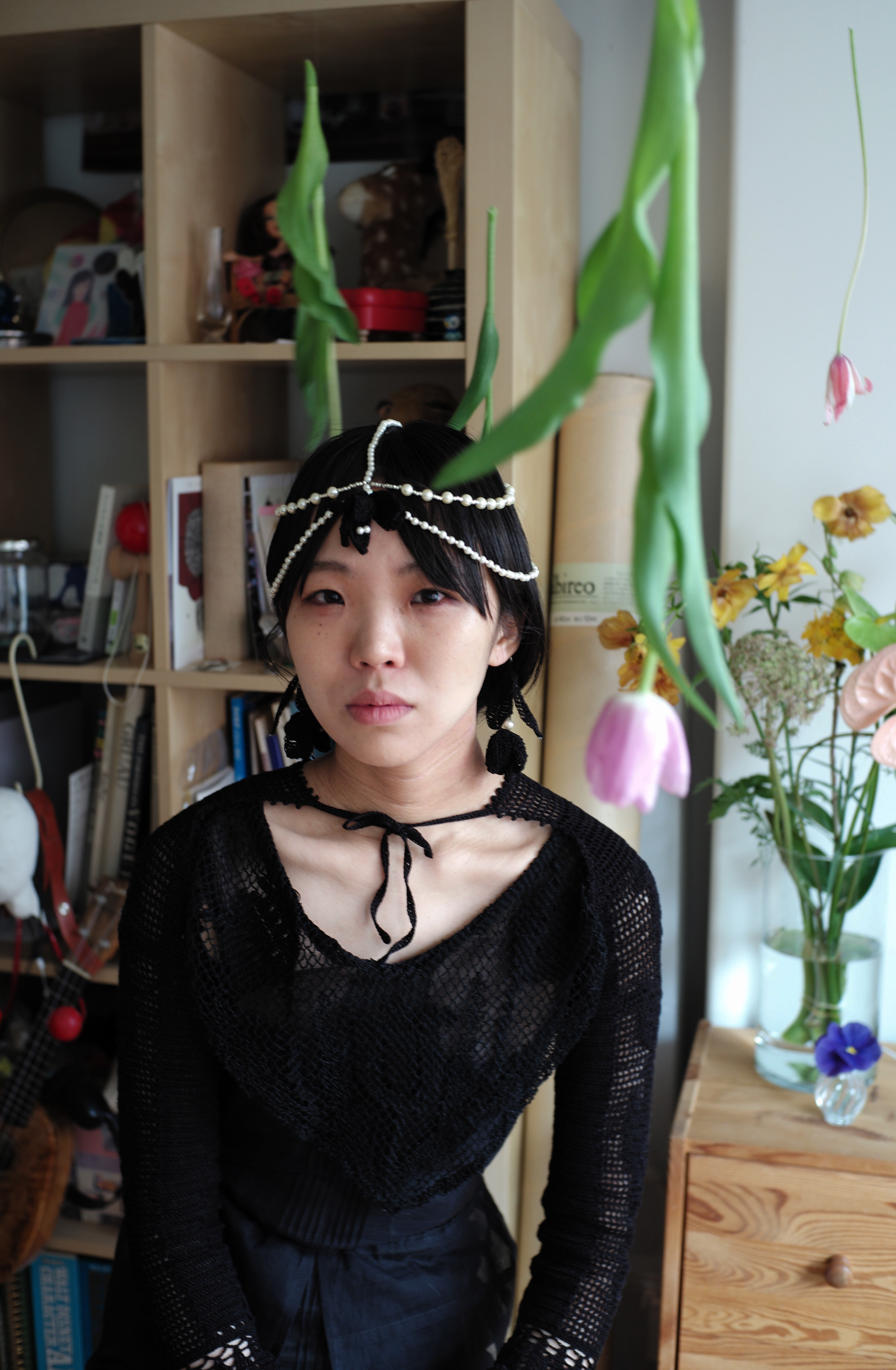
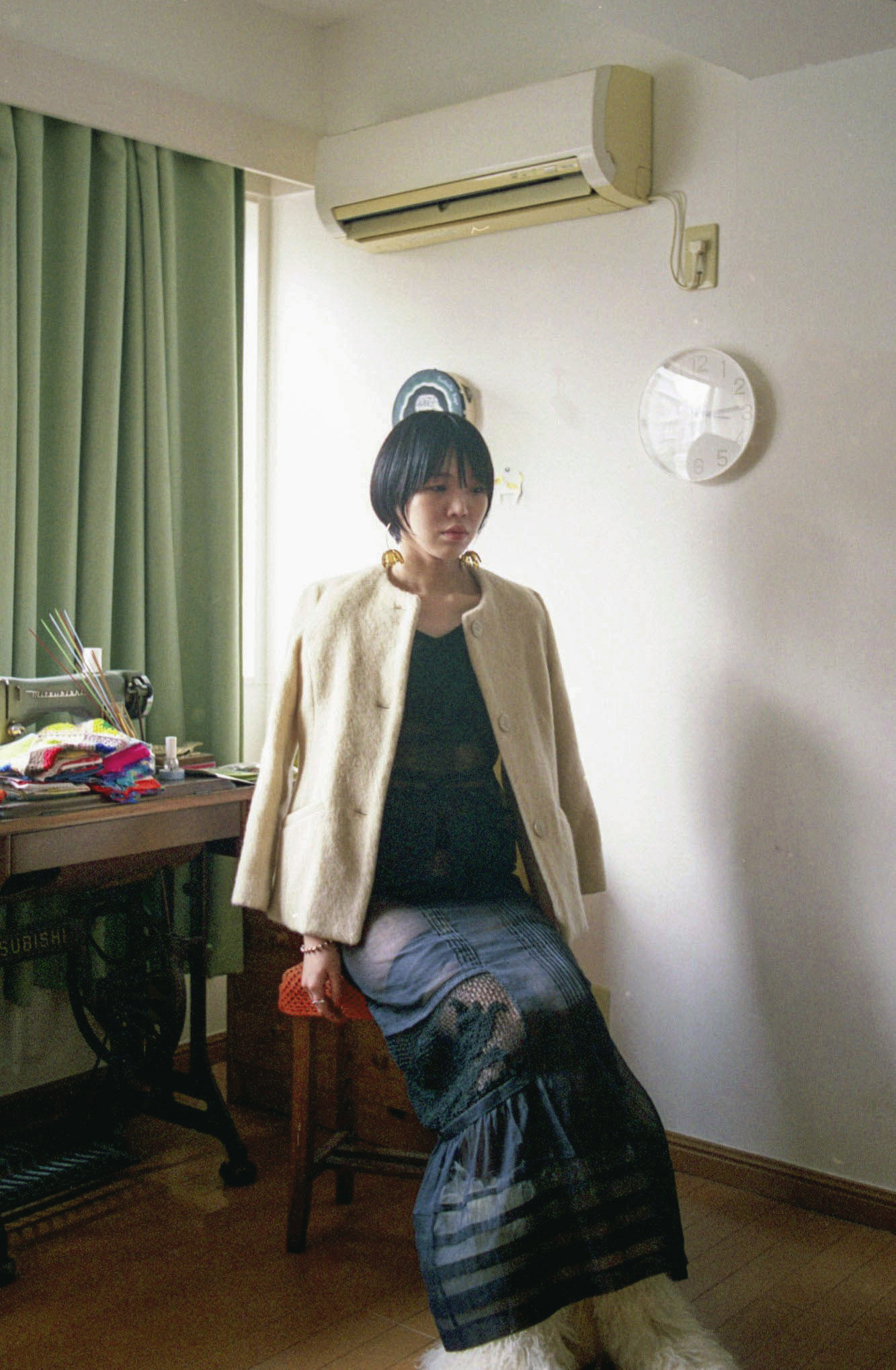
We listened to her memories of her grandmother, her mother, and herself. As we reflected on her stories, we felt that they closely resembled the legend of the tulip, and we decided to create tulip lace items for her.
------------------------------------------------------------------------
Legend of the Tulip
Once upon a time, in a town in the Netherlands, three knights fell in love with a young woman. Each tried to win her favor by offering crowns, swords, jewels, gold, and silver.
Unable to choose, the shy girl asked Flora, the goddess of flowers, to grant her a beautiful flower.
From this wish was born a new flower—more beautiful and powerful than any before. It had petals shaped like a crown, leaves like a sword, and a golden bulb. In time, people came to call this flower the “tulip,” and thus the name was born.
Unable to choose, the shy girl asked Flora, the goddess of flowers, to grant her a beautiful flower.
From this wish was born a new flower—more beautiful and powerful than any before. It had petals shaped like a crown, leaves like a sword, and a golden bulb. In time, people came to call this flower the “tulip,” and thus the name was born.
------------------------------------------------------------------------
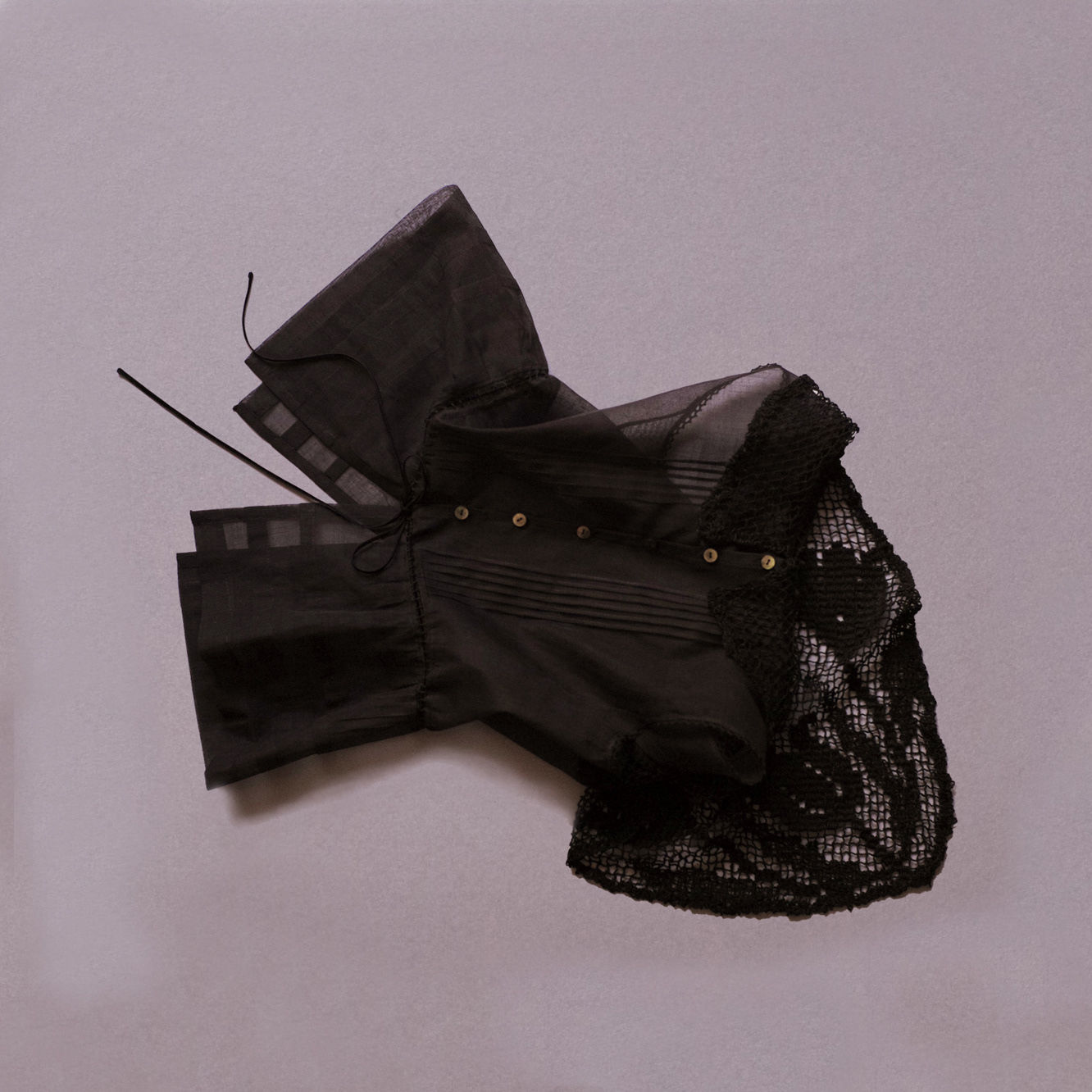
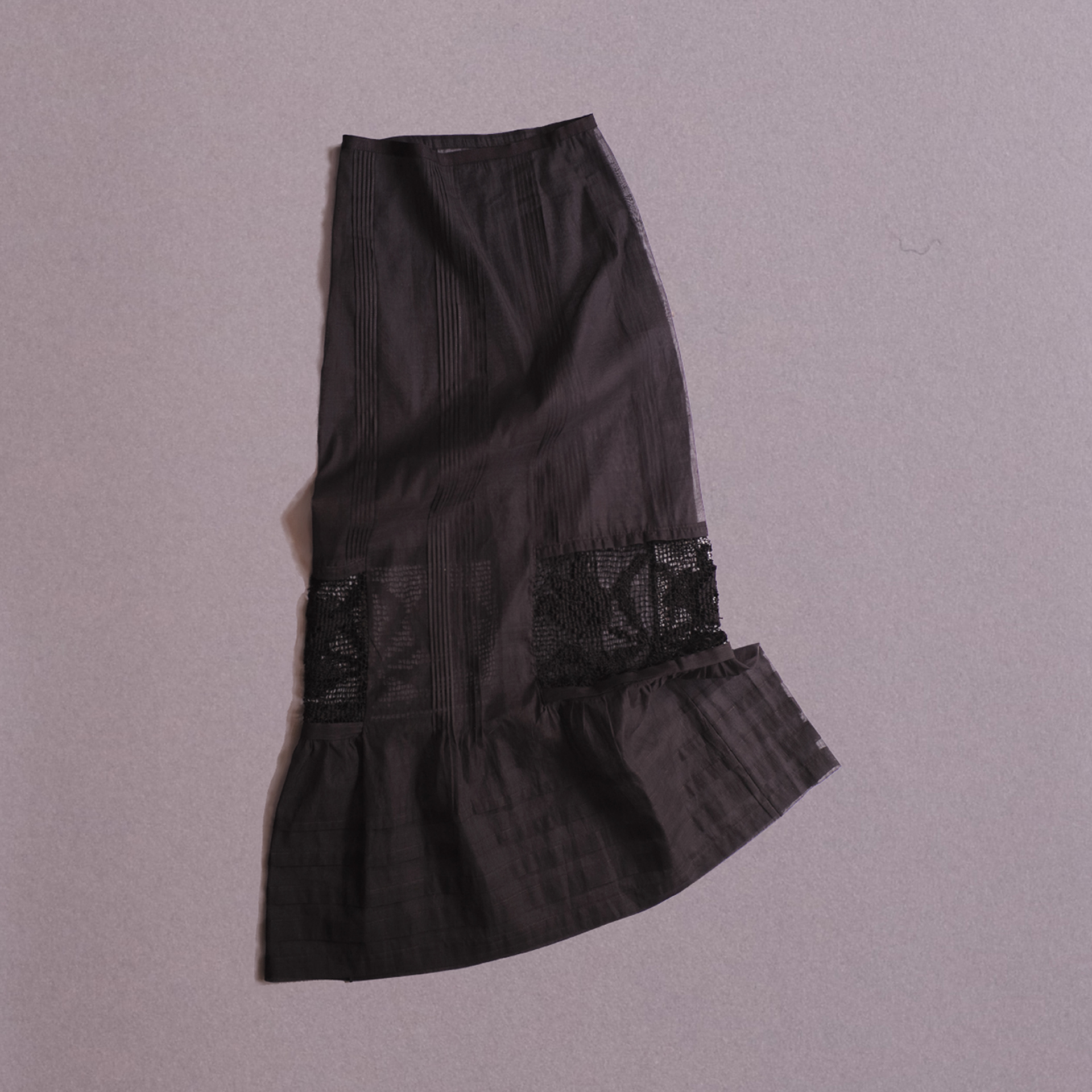
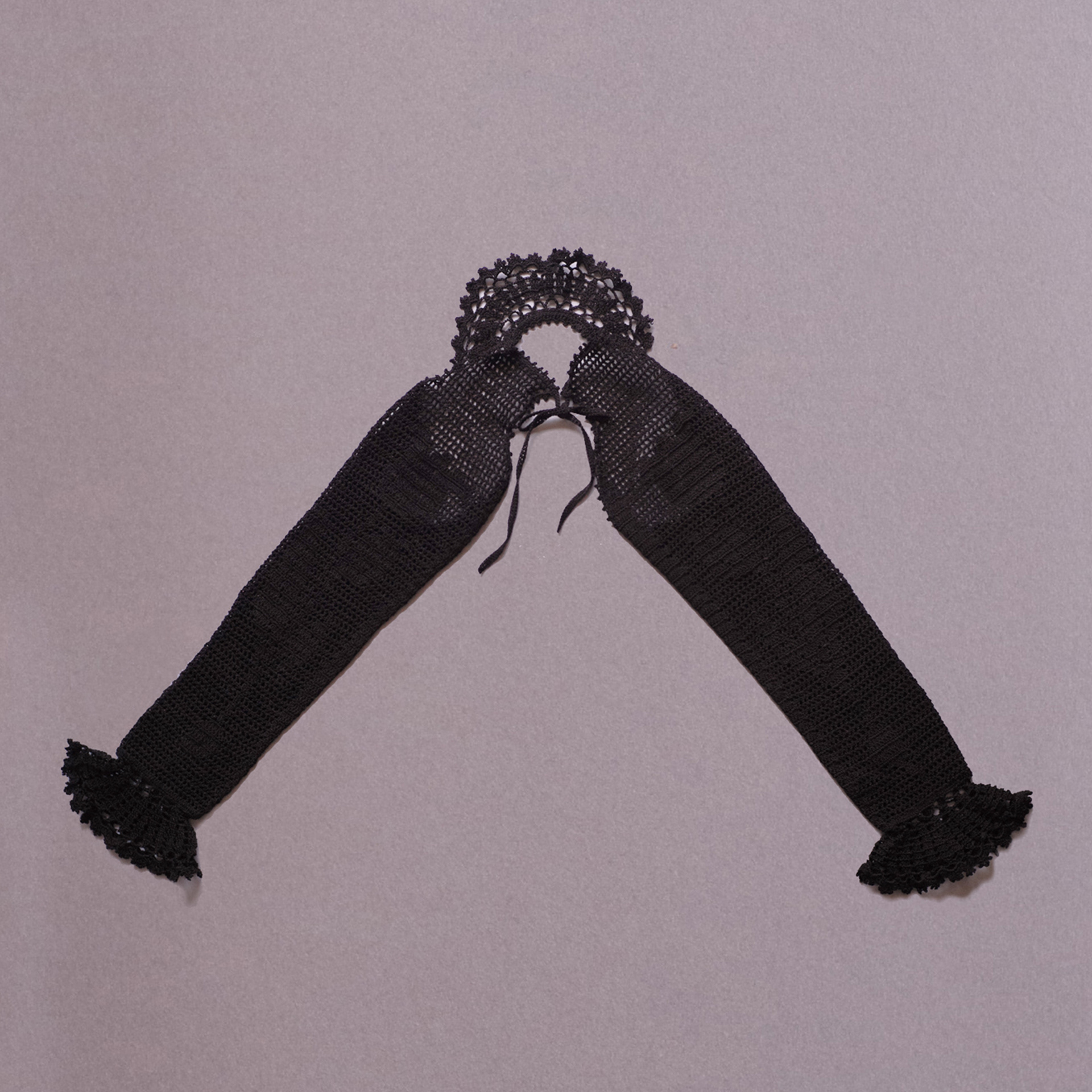
From the memories she shared with us, we selected those connected to her relationship with her grandmother and mother, and used them as the foundation for the outfit.
Her path to becoming an illustrator under the influence of her mother, the formation of her personal style, the presence of her grandmother’s bones displayed in her home, and the way the three of them lived close to one another like sisters—each of these stories is precious and deeply moving.
For this reason, we created three items conceived as a trinity. When worn together, the three pieces come together to form a single dress.
Her path to becoming an illustrator under the influence of her mother, the formation of her personal style, the presence of her grandmother’s bones displayed in her home, and the way the three of them lived close to one another like sisters—each of these stories is precious and deeply moving.
For this reason, we created three items conceived as a trinity. When worn together, the three pieces come together to form a single dress.